Air Fryer Crispy Calamari with Lemon Aioli
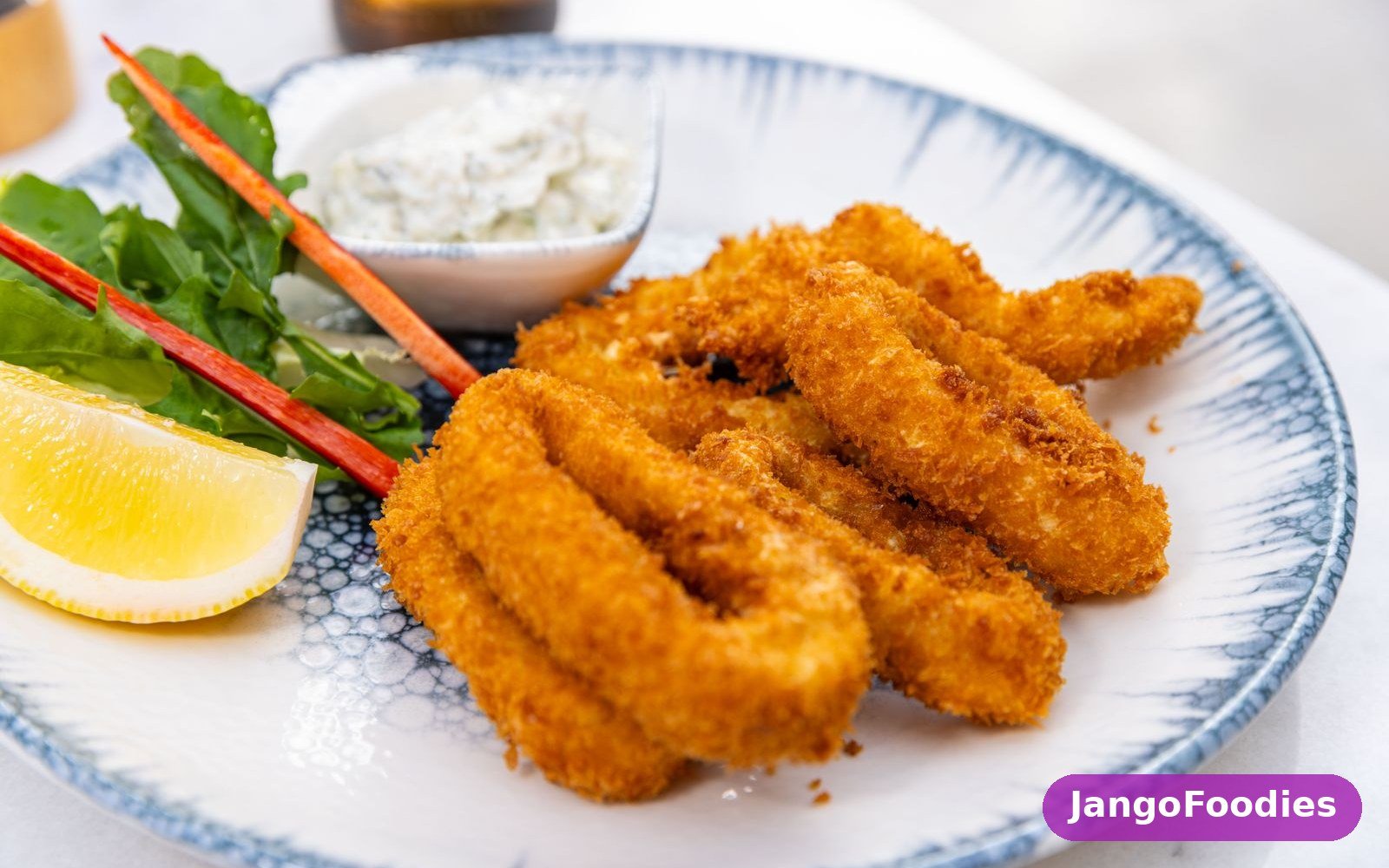
There are some foods that I associate so strongly with being out — with seaside holidays, with sitting at a restaurant table while the sun goes down, with that first drink of the evening — that I never really believed I could make them properly at home. Fried calamari was one of those foods for me. It belonged to beach cafes and Italian restaurants, to places where someone else dealt with the hot oil and the timing and the smell that lingered for days. Then I tried it in the air fryer, and I have to tell you, it changed everything. Golden, shatteringly crisp rings of squid, tender inside, with a creamy lemon aioli for dipping, made in about twenty minutes with barely any oil and no deep-frying at all. It is one of those recipes that makes you wonder why you waited so long.
The first time I made it, I was honestly expecting a compromise. Air fryer versions of deep-fried things can be a bit sad — pale, soft, a pale imitation of the real thing. But calamari turns out to be almost made for the air fryer. The rings are small and thin, so the hot circulating air crisps them quickly and evenly, and the coating goes properly golden with a good spray of oil. The squid inside stays tender because it cooks in just a few minutes, and that is the whole secret with squid: cook it fast or cook it for a very long time, and anything in between turns rubbery. The air fryer lands exactly in the sweet spot.
This is also a wonderfully flexible recipe. Serve it as a starter for a dinner party, as a snack for a film night, as part of a seafood spread, or as a light main course with a big salad and some crusty bread. It works for a Tuesday and it works for a celebration, and the only real skill involved is not overcooking the squid, which the air fryer makes almost impossible to get wrong. If you are new to air fryer cooking, this is a great place to start, and if you already love your air fryer, this might become your new favourite thing to make in it. For another crispy air fryer favourite, our air fryer chicken tenders without breadcrumbs use the same golden-crunch idea and are just as popular in our house.
Why You’ll Love This Recipe
First, it is genuinely crispy, and I mean properly crispy, not air-fryer-crispy with an asterisk. The panko breadcrumbs are the key — they are lighter and flakier than ordinary breadcrumbs, so they crisp up beautifully in the hot air and give you that satisfying crunch when you bite through. A good spray of oil over the coated rings before they go in helps the crumbs turn deep golden, and cooking them in a single layer means the hot air reaches every piece. The result is calamari that shatters a little when you bite it, exactly the way good fried calamari should.
Second, it is fast. From the moment you start coating the rings to the moment you are sitting down with a plate of them, you are looking at about twenty-five minutes, and most of that is just the air fryer doing its thing in batches. The squid itself cooks in about eight minutes per batch, which means you can have the aioli made, the lemon cut, and the table set before the first batch is even done. On a Friday evening when everyone is hungry and nobody wants to wait, this is the recipe that saves the night.
Third, it is far lighter than the deep-fried version. Traditional fried calamari sits in a pot of oil, and while it is delicious, it is heavy — the kind of thing you enjoy and then feel slightly regretful about an hour later. The air fryer version uses a fraction of the oil, just a light spray, and the squid itself is lean protein. It still tastes indulgent, because crispy food always does, but it does not sit in your stomach the same way.
And finally, it feels special without being difficult. There is something about a plate of golden calamari with a little bowl of aioli that makes people sit up and pay attention, even though the cook knows it took almost no effort at all. It is the perfect party food, the perfect starter, the perfect thing to make when friends come over and you want to look like you tried harder than you did. I have served this at dinner parties where people assumed I had spent the afternoon on it, and I have never once corrected them. Well, until now.
Ingredients You’ll Need
- 500g cleaned squid tubes and tentacles (about 1 lb), thawed if frozen
- 1 cup buttermilk, for soaking
- 1/2 cup plain flour (all-purpose)
- 1 teaspoon fine sea salt, plus more to taste
- 1/2 teaspoon freshly ground black pepper
- 1/2 teaspoon sweet paprika
- 1/4 teaspoon garlic powder
- 2 large eggs, beaten
- 1 1/2 cups panko breadcrumbs
- 1/2 teaspoon lemon zest, finely grated, for the coating
- Olive oil spray, for the air fryer basket and the calamari
- 1/2 cup mayonnaise, for the aioli
- 1 garlic clove, finely grated, for the aioli
- 1 tablespoon fresh lemon juice, for the aioli
- 1 teaspoon lemon zest, finely grated, for the aioli
- 1 tablespoon fresh parsley, finely chopped, to serve
- Lemon wedges, to serve
How to Make Air Fryer Crispy Calamari with Lemon Aioli
Start by getting the squid ready, because this is the step that makes the difference between tender calamari and rubber bands. If your squid tubes are whole, slice them into rings about half a centimetre thick — not too thin, or they will overcook, and not too thick, or the coating will be done before the inside is. Leave the tentacles whole, or cut larger ones in half; they are the best part, in my opinion, all crispy edges and tender middles. Put the rings and tentacles in a bowl, pour over the buttermilk, and give everything a gentle stir so it is all coated. The buttermilk does two things: it tenderises the squid slightly, and it helps the coating stick. Leave it to soak for at least twenty minutes, or up to an hour if you have the time. This is not a step to skip — squid that has had a buttermilk soak cooks up noticeably more tender, and it is the easiest insurance against chewiness you will ever buy.
While the squid soaks, make the lemon aioli, because it tastes better if it has a few minutes for the flavours to come together. In a small bowl, stir together the mayonnaise, grated garlic, lemon juice and lemon zest, with a pinch of salt. Taste it and adjust — a little more lemon juice if you like it bright, a little more garlic if you like it punchy. The aioli should be creamy and tangy, with enough lemon to cut through the richness of the fried coating. Cover it and put it in the fridge while you cook the calamari. It will keep happily for several days, so you can make it well ahead if you like, and it is wonderful with all sorts of other things too — chips, grilled chicken, roasted vegetables. If you want to see how other cooks approach air fryer calamari, Taste of Home’s air fryer calamari is a good reference, and it is reassuring to see how similar the method is.
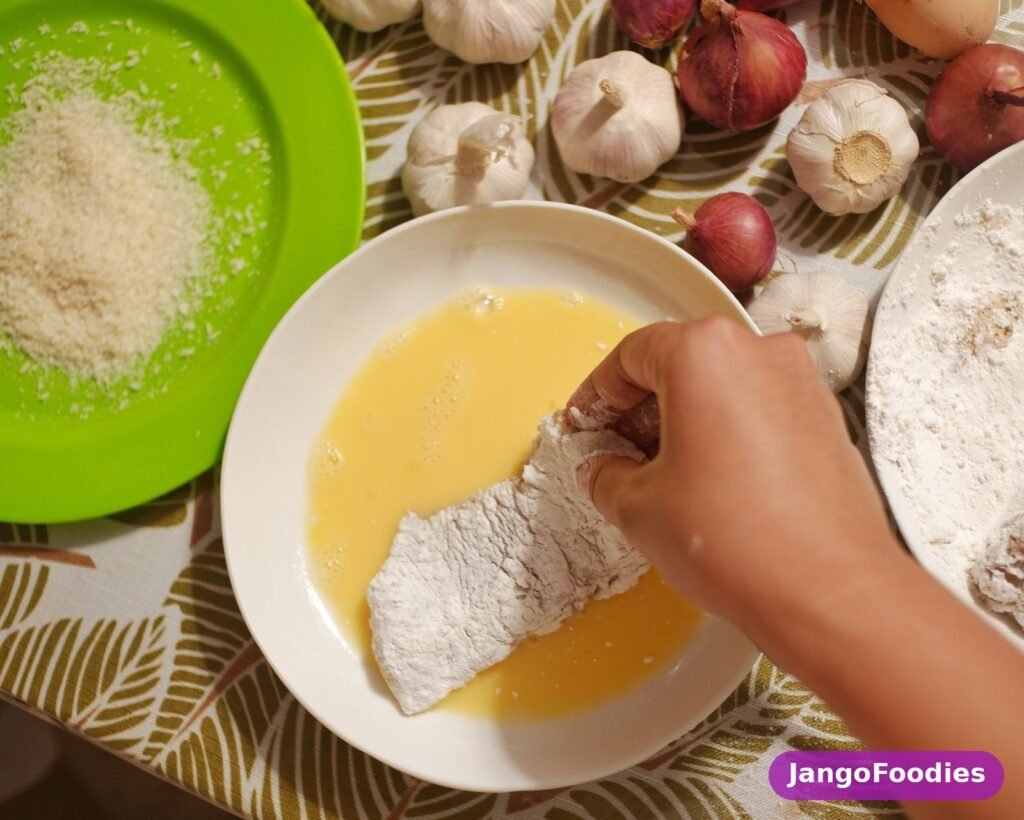
Now set up your coating station. You need three shallow bowls in a row: the first with the flour mixed with the salt, pepper, paprika and garlic powder; the second with the beaten eggs; the third with the panko breadcrumbs mixed with the half teaspoon of lemon zest. The lemon zest in the crumbs is a small touch that makes a real difference — it perfumes the coating and gives the finished calamari a fresh, bright note that works beautifully with the aioli. Arrange the bowls in order, put a clean plate at the end for the coated rings, and keep a damp cloth nearby for your hands, because this is a messy job and you will be glad of it.
Preheat the air fryer to 200°C (400°F) for three minutes. While it heats, coat the squid. Lift a small handful of rings out of the buttermilk, let the excess drip off, and toss them in the flour mixture, shaking off the extra. Then dip them in the beaten egg, letting the excess drip away, and finally press them into the panko, turning them over so every side is coated. Place each coated ring on the clean plate in a single layer. Work in small batches rather than trying to do everything at once — the coating sticks better when you are not rushing, and the rings stay separate instead of clumping together. It takes a few minutes, and your fingers will get coated too, which is part of the fun.
Lightly spray the air fryer basket with olive oil, then arrange the coated rings in a single layer, leaving a little space between each one. If the rings overlap, the coating steams instead of crisping, and you end up with soft patches. Spray the tops generously — this is what turns the panko golden, so do not be shy with it. Cook for four minutes, then turn each ring over, spray the other side, and cook for another three to four minutes until the coating is deep golden and crisp. The squid inside is done when the coating is done, because the rings are so thin. Work in batches, keeping the finished rings warm on a plate in a low oven. If you like this kind of crispy seafood, our air fryer bang bang shrimp is another favourite — same golden crunch, a different sauce, and just as quick.
Serve the calamari immediately, while the coating is at its crispiest, piled on a plate or in a wide bowl with the lemon aioli in a small dish alongside. Scatter over the chopped parsley, add lemon wedges, and finish with a little flaky salt if you have it. The first bite should be hot, crunchy and bright all at once — the crisp coating giving way to tender squid, the cool creamy aioli cutting through the richness, a squeeze of lemon over the top tying it all together. Eat them with your fingers, standing in the kitchen if you have to, because they are at their absolute best in the first few minutes out of the air fryer, and waiting for a formal table setting is a waste of perfectly good calamari.
Tips for Perfect Air Fryer Calamari
The single most important thing is not to overcook the squid. Squid has a very narrow window: cook it quickly and it is tender, cook it for a minute too long and it turns chewy, and no amount of good coating can rescue it. In the air fryer, that window is about seven to eight minutes total at 200°C, and the coating will tell you when it is ready — deep golden and crisp means done. If you are unsure, pull one ring out and taste it. It should be tender with a slight bite, not rubbery. If your air fryer runs hot, check a minute early. Every air fryer is a little different, and the first batch is always a test batch.
Pat the squid dry before it goes into the buttermilk, and let the excess buttermilk drip off before the flour stage. Too much moisture is the enemy of a crisp coating — it makes the flour go gummy and the crumbs slide off. The three-step coating works best when each layer is thin: a light dusting of flour, a quick dip in egg, a firm press into the panko. If you glob the egg on, the crumbs will be thick and heavy instead of light and crisp.
Do not overcrowd the basket. I know it is tempting to fit everything in at once, especially when you are hungry, but calamari needs space for the hot air to circulate. A single layer with a little gap between each ring is the rule, and it is worth cooking in two or three batches to get it right. The batches cook quickly, and you can keep the finished ones warm in a low oven on a wire rack, which keeps them crisp far better than a plate, where the bottoms go soft. If you are short on time, a second air fryer basket or a larger air fryer makes this much easier, but it is not essential.
Spray the oil generously. This is not the place to be stingy, because the oil is what turns pale panko into golden, crunchy panko. A light mist will not do it — you want a visible, even coating of oil on the crumbs before they go in, and another spray when you flip them. Olive oil spray works well, but any neutral cooking spray does the job. If you do not have a spray bottle, you can brush the oil on lightly, though it takes longer and is harder to get even. For a different take on crispy squid, BBC Good Food’s salt and pepper squid is worth a look — it uses a similar quick-cook idea with a different seasoning, and it is a good reminder of how versatile squid can be.
And finally, serve it immediately. Calamari waits for no one — the coating is at its best in the first five minutes and softens steadily after that. Have the aioli made, the lemon cut and the table set before the last batch goes in, so the calamari goes straight from the basket to the table. If it is part of a bigger meal, cook it last, after everything else is ready, so it arrives hot and crisp.
Variations to Try
For a spicy version, add a teaspoon of cayenne pepper and a pinch of chilli flakes to the flour mixture, and stir a little sriracha into the aioli. The heat works beautifully with the lemon and garlic, and it turns the dish into something with a bit more attitude. You can also swap the aioli for a spicy mayo — mayonnaise with sriracha and a squeeze of lime — which is simpler and just as good. If you like heat but not too much, start with half the cayenne and taste your way up, because it is easy to add more and impossible to take it away.
For a Mediterranean version, add a teaspoon of dried oregano and a little lemon zest to the panko, and serve the calamari with a bowl of tzatziki instead of aioli. The cool, garlicky yogurt is a natural partner for crispy squid. Add some crumbled feta and sliced red onion to the plate and you have a proper meze spread, with olives, warm flatbread and a tomato salad alongside.
For a gluten-free version, swap the plain flour for rice flour, which actually gives an even lighter, crispier coating, and use gluten-free panko, which is widely available now. The method is identical, and the results are just as golden. Rice flour has a lovely way of crisping up, and some of the best fried calamari I have ever eaten used rice flour rather than wheat flour, so this is not a compromise at all — it is a genuine alternative that some people prefer. Just check that your panko is certified gluten-free if you are cooking for someone with coeliac disease.
You can also change the dip. A classic marinara sauce is wonderful with calamari, and it is the traditional Italian pairing — warm, garlicky, and a little sweet. A sweet chilli sauce works well too, and it is the easiest option of all, straight from the jar. Or try a tartar sauce with chopped capers and gherkins, which is the British chip-shop classic and is lovely with the lemon. The calamari is the star, and the dip is there to complement it, so choose whichever one your table will enjoy most. If you like this kind of finger food, our air fryer lemon pepper shrimp skewers are another easy seafood appetizer that works brilliantly alongside these.
Serving Ideas
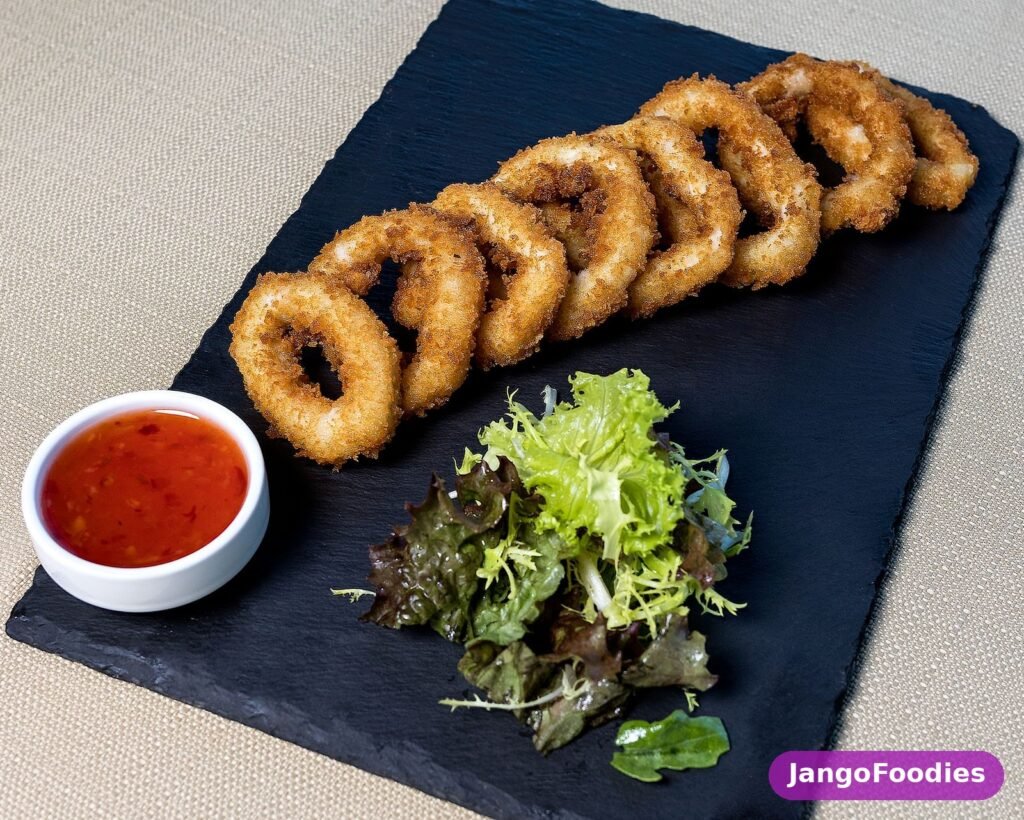
The simplest way to serve this is as an appetizer: a pile of golden rings in a wide bowl, the lemon aioli in a small dish in the middle, lemon wedges around the edge, and nothing else. It needs no garnish beyond parsley and a little flaky salt, and it needs no accompaniment beyond good company. Put it in the middle of the table and let people help themselves — it is the kind of food that brings a table together, and it disappears fast, so make more than you think you need. A double batch is rarely a mistake.
As a light main course, serve the calamari over a big salad — rocket, shaved fennel, sliced red onion and orange segments, with a lemon and olive oil dressing — and add some crusty bread for mopping up the aioli. The warm, crispy squid against the cool, peppery salad is a wonderful contrast, and it makes a proper meal out of what is usually a starter. It is also lovely with chips and a simple green salad, the seaside-cafe combination, and it is a good option for a summer evening when nobody wants anything heavy. For a side that matches the crunch, our crispy air fryer potatoes without flour are a natural partner — golden, crunchy, and cooked the same way.
For a party, make a seafood spread: the calamari alongside prawns, some smoked salmon, a bowl of olives, good bread, and two or three dips. It is the kind of spread that looks generous and impressive but is mostly assembly rather than cooking, and the calamari is the warm, crispy centrepiece that makes it feel special. Serve it with cold white wine, a crisp lager, or sparkling water with lemon, and let people graze. This is food for lingering over, and it is at its best when nobody is in a hurry.
Storage and Reheating
Calamari is best eaten fresh, and I will be honest with you: it does not keep as well as most leftovers. The coating softens in the fridge, and reheated calamari is never quite as good as it was straight from the air fryer. That said, leftovers are still worth saving — store them in an airtight container in the fridge for up to two days, with the aioli separate. Do not seal them in a bag while still warm, or the steam will make the coating soggy.
To reheat, the air fryer is your best friend. Spread the rings in a single layer, spray them lightly with oil, and cook at 190°C for three to four minutes until they are hot and the coating has crisped up again. It will not be quite as shatteringly crisp as the first time, but it will be a lot better than the microwave, which makes the coating soft and the squid rubbery. Avoid the microwave entirely for this one — it is the fastest way to ruin good calamari. The oven works as a second choice: a hot oven, 200°C, on a wire rack, for about five minutes.
For make-ahead preparation, you can coat the squid up to a few hours before cooking and keep the coated rings in the fridge on a tray, uncovered, which actually helps the coating dry out slightly and crisp up better. The aioli keeps in the fridge for up to five days, and it is worth making a double batch because it is useful with so many things. I would not freeze cooked calamari — the texture suffers badly — but raw squid freezes well, so you can keep a bag in the freezer and be ready to make this whenever the mood strikes.
Frequently Asked Questions
Can I use frozen squid for this recipe?
Yes, and most of us do, because fresh squid is not always easy to find. Buy cleaned squid tubes and tentacles, thaw them overnight in the fridge or under cold running water, and then pat them very dry with kitchen paper before they go into the buttermilk. The most important thing with frozen squid is getting rid of as much water as possible, because excess moisture is the enemy of a crisp coating. If the squid still feels wet after patting, leave it on a tray lined with kitchen paper for ten minutes and pat it again. Once it is dry, it cooks up just as well as fresh.
Why is my calamari chewy?
Almost always, it is overcooked. Squid goes from tender to rubbery in about a minute, and it is the most common mistake with this dish. The coating should be your guide: as soon as it is deep golden and crisp, the squid inside is done, so take it out. If the coating browns too fast, your air fryer is running too hot — turn it down to 190°C. If the coating is pale and the squid is already chewy, the temperature was too low. Watch the first batch closely and adjust from there.
Do I need buttermilk, or can I use something else?
Buttermilk is ideal because its acidity tenderises the squid gently, but you can make a good substitute by stirring a tablespoon of lemon juice or white vinegar into a cup of milk and leaving it for five minutes until it thickens slightly. Plain yogurt thinned with a little milk works too. Any of these will do the job. If you have none of them, even a quick soak in milk with a squeeze of lemon is better than nothing, though the coating will not cling quite as well.
Can I make the lemon aioli without mayonnaise?
Yes. Greek yogurt makes a lighter, tangier version that is lovely — use the same amount, with the same garlic, lemon juice and zest, and a drizzle of olive oil to smooth it out. It will be a little thinner and fresher-tasting, which some people prefer, and it is a good option if you want to keep things light. You can also use half mayonnaise and half yogurt for a middle ground. The aioli is a simple thing, and it is very forgiving, so adjust it to your own taste and do not worry about getting it exactly right.
How do I stop the coating from falling off?
Three things matter here. First, make sure the squid is not too wet when it goes into the flour — let the buttermilk drip off properly. Second, press the panko on firmly, and let the coated rings rest for five minutes before they go into the air fryer, which helps the coating set. Third, spray the basket with oil before the rings go in, and do not move them around once they are cooking — let the coating set in the heat before you flip them. If the coating still falls off, your egg wash may be too thin, in which case whisk in an extra egg yolk, which helps it grip better.
What else can I cook in the air fryer with this?
Calamari pairs beautifully with other air fryer foods, and it is easy to build a whole meal around it. Crispy potatoes, onion rings and vegetable fritters all cook at similar temperatures, so you can make them in batches and serve everything together. Prawns and fish goujons are natural partners too, and they cook in about the same time. Just keep things warm in a low oven on a wire rack, so everything arrives at the table hot and crisp at the same time.