Chicken Tikka Masala with Basmati Rice
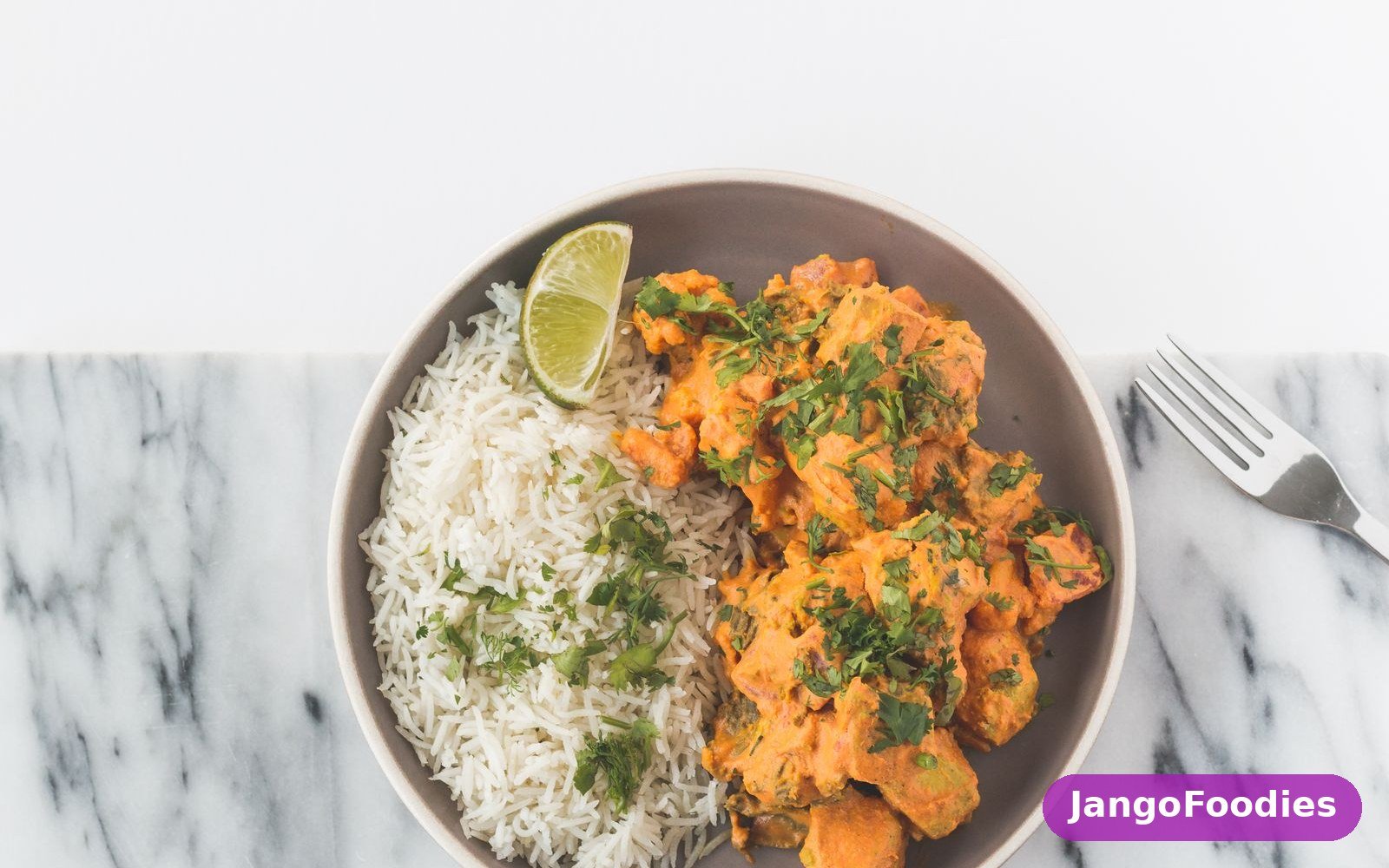
There is a particular smell that tells me dinner is going to be a good one, and it is the smell of garam masala hitting hot butter. It is warm and a little sweet and deeply savoury all at once, and the moment it fills the kitchen, everyone in the house starts drifting towards the stove asking what is cooking. Chicken tikka masala does that to a home. It is the dish I make when I want something comforting but not boring, something that tastes like it took all afternoon when it honestly took about an hour, most of it hands-off. The chicken is tender and smoky from its yogurt marinade, the sauce is rich and tomatoey with just enough cream to make it silky, and the basmati rice underneath soaks up every last drop.
I did not grow up eating this dish, and for a long time I assumed it was one of those recipes that belonged firmly in restaurants, made by people with tandoor ovens and spice cupboards I would never match. Then a friend showed me her version, made in an ordinary frying pan with a handful of ground spices from the supermarket, and I realised I had been overcomplicating it for years. The secret is not fancy equipment. It is the marinade, which does most of the work while you get on with your evening, and a sauce that is built in layers — onions cooked until sweet, spices bloomed in butter, tomatoes simmered until they lose their sharpness, and cream stirred in at the end. Each step is simple on its own. Together they make something that tastes like far more than the sum of its parts.
The basmati rice matters more than people think, and I will talk about it properly later, because the rice is not just a side here — it is half the dish. Good basmati, rinsed well and cooked until the grains are long and separate, is the perfect partner for a rich sauce like this. It catches the sauce in all the right ways without going stodgy, and it smells faintly nutty and wonderful as it steams. If you have never cooked basmati properly, do not worry. It is one of the easiest things in this recipe, and once you have done it once, you will never go back to plain long-grain rice for curries again. If you are after another reliable weeknight chicken dinner, our easy chicken dinner without oven is a great one to keep in your back pocket too.
Why You’ll Love This Recipe
First, it tastes like the restaurant version, and I do not say that lightly. The yogurt marinade gives the chicken that same tender, lightly charred character you get from a tandoor, and the sauce has the same rich, brick-red colour and silky texture. The difference is that you know exactly what went into it — no mystery oil, no bucket of sugar. When I first served this to friends who order tikka masala every Friday, they went quiet for a minute and then asked for the recipe, which is about the best review a home cook can get.
Second, it is far easier than it looks. The ingredient list is a little long because of the spices, but most of them are probably sitting in your cupboard already, and the method is really just three stages: marinate, cook the chicken, make the sauce. Nothing in it requires a special technique — no grill, no tandoor, no food processor. A frying pan, a bowl and a saucepan are the whole toolkit, and the hands-on time is only about twenty minutes.
Third, it is wonderfully flexible. The heat is entirely in your hands, so you can make a mild, family-friendly version for children and a spicier one for the adults by adding fresh chilli at the end. You can swap the cream for coconut milk, use chicken thighs instead of breasts, or add a handful of spinach at the end if you want some green in there. It is the kind of recipe that forgives improvisation, which is exactly what you want from a dish you will make again and again. And if you like the idea of chicken and rice as a complete meal, our one-pan chicken and rice for two is another cosy favourite in our house.
And finally, it makes brilliant leftovers. In fact, I would argue it improves overnight, because the sauce thickens slightly and the spices mellow into each other, so the second serving is often better than the first. It reheats beautifully, it freezes well, and a container of it in the fridge has rescued more than one of my busy Tuesdays. A recipe that is this good on day one and even better on day two earns its place in the regular rotation, and this one has been in ours for years now.
Ingredients You’ll Need
- 700g boneless, skinless chicken thighs (about 1 1/2 lb), cut into bite-sized chunks
- 200g full-fat Greek yogurt (about 3/4 cup), for the marinade
- 2 tablespoons lemon juice, freshly squeezed
- 1 tablespoon garam masala
- 1 teaspoon ground cumin
- 1 teaspoon smoked paprika
- 1/2 teaspoon ground turmeric
- 1/2 teaspoon chilli powder, plus more to taste
- 1 teaspoon fine sea salt, plus more to taste
- 3 garlic cloves, finely grated
- 1 tablespoon fresh ginger, finely grated
- 2 tablespoons vegetable oil, for cooking the chicken
- 2 tablespoons unsalted butter
- 1 large onion, finely diced
- 400g tin chopped tomatoes (one 14 oz tin)
- 2 tablespoons tomato paste
- 1 teaspoon sugar
- 180ml double cream (about 3/4 cup heavy cream)
- 300g basmati rice (about 1 1/2 cups)
- Fresh coriander leaves, to serve
- Warm naan bread, to serve (optional)
How to Make Chicken Tikka Masala with Basmati Rice
Start with the marinade, because it does the heavy lifting in this recipe and it needs time. In a large bowl, mix the yogurt with the lemon juice, garam masala, cumin, smoked paprika, turmeric, chilli powder, salt, two of the garlic cloves and the ginger. Stir it until it is smooth and a lovely warm orange colour, then add the chicken pieces and turn them over and over until every piece is thoroughly coated. The yogurt is doing two jobs here: the acid from the lemon and the yogurt itself tenderises the chicken, while the spices cling to the surface and build flavour right into the meat. Cover the bowl and leave it in the fridge for at least thirty minutes, or up to overnight if you are organised. Honestly, even thirty minutes makes a real difference, but if you can give it two hours, you will taste it. This is the step that separates a good tikka masala from a great one, so do not rush past it.
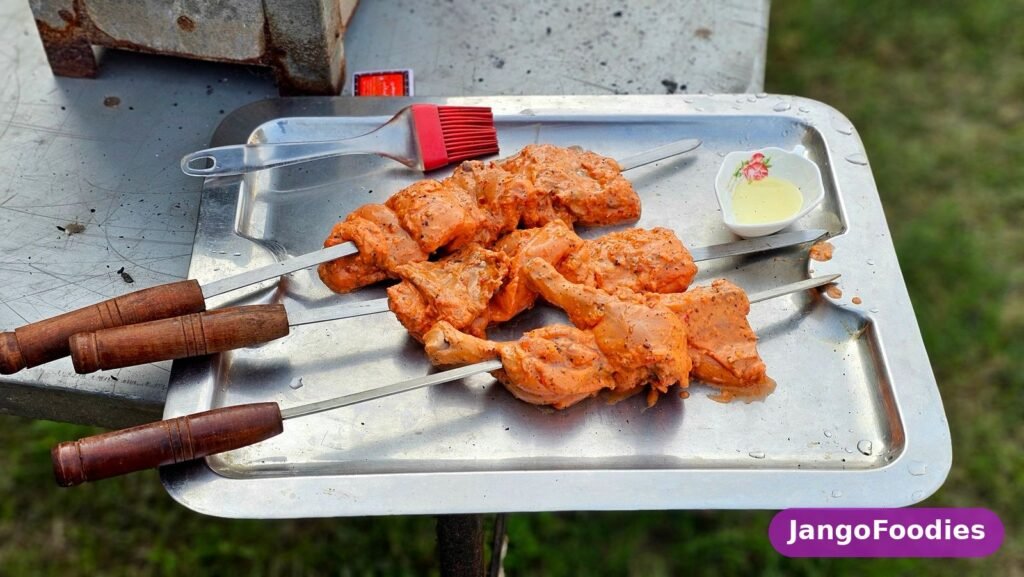
While the chicken marinates, rinse the basmati rice. This is a small step that makes a big difference, so do not skip it. Put the rice in a bowl, cover it with cold water, swish it around with your hand, and pour off the cloudy water. Repeat three or four times until the water runs mostly clear. This washes away the excess surface starch, and it is the reason restaurant basmati comes out fluffy with separate grains instead of sticky and clumped. Once it is rinsed, leave it to soak in clean cold water for twenty minutes while you get on with the chicken. Soaking helps the grains cook evenly and grow long, which is exactly what you want under a rich sauce.
Now cook the chicken. Heat the vegetable oil in a large, wide frying pan or skillet over medium-high heat until it is shimmering. Shake the excess marinade off each piece of chicken — you want a coating, not a puddle — and lay the pieces in the pan in a single layer, leaving space between them. Do not crowd the pan, or the chicken will steam instead of browning, and those browned edges are where so much of the flavour lives. Cook the pieces in two batches if you need to, about three to four minutes a side, until they are nicely charred in spots and cooked through. You are looking for those dark, almost blackened edges, the way tandoori chicken looks, because that char is delicious. Transfer the cooked chicken to a plate and set it aside. It does not need to be perfect at this stage — it will finish cooking in the sauce.
Turn the heat down to medium and make the sauce in the same pan, because all those browned bits left behind are pure flavour. Add the butter, then the diced onion with a pinch of salt, and cook gently for six to eight minutes until soft, sweet and golden. Do not rush this — properly softened onions make the sauce sweet and smooth, while undercooked ones leave it sharp. Add the remaining garlic and cook for a minute, then stir in the tomato paste and cook for a minute more until it darkens slightly. This takes the raw edge off the paste and deepens the whole sauce.
Pour in the chopped tomatoes and the sugar, and let the sauce simmer gently for about ten minutes, stirring now and then, until it has thickened and the tomatoes have lost their raw, acidic edge. You will see the oil start to separate at the edges of the pan, which is a good sign — it means the sauce is properly cooked. If you like a completely smooth sauce, you can blend it at this stage with a stick blender, and I often do, because it gives that silky restaurant texture. If you prefer a bit of rustic texture, leave it as it is — both are lovely. Stir in the cream and let it warm through for a minute or two, then taste and adjust. A little more salt, a pinch more sugar if the tomatoes are sharp, a little more chilli if you want heat. This is your sauce, and tasting as you go is how you make it yours. If you want to compare techniques, BBC Good Food’s chicken tikka masala is a lovely reference for the classic method, and it is worth a look if you are curious about how the restaurant versions are built.
Slide the chicken back into the sauce, along with any juices from the plate, and let it simmer very gently for five minutes so the chicken finishes cooking and the flavours come together. The sauce should coat the chicken thickly and glossily. If it looks too thick, loosen it with a splash of water; if it looks too thin, let it bubble for a few more minutes. Meanwhile, cook the rice. Drain the soaked rice, put it in a saucepan with 450ml of water and a good pinch of salt, bring it to a boil, then turn the heat right down, put the lid on tightly and leave it alone for twelve minutes. No peeking, no stirring. Then take it off the heat and let it stand, still covered, for five more minutes before fluffing it gently with a fork. The grains should be long, separate and steaming. Serve the tikka masala over a generous mound of rice, scatter over fresh coriander, and bring the naan to the table while everything is hot.
Tips for Perfect Chicken Tikka Masala
Use chicken thighs if you can, because they stay juicy in a way that breasts sometimes do not. Breasts work perfectly well in this recipe and I have made it with them many times, but thighs are more forgiving — they can handle a few extra minutes in the pan without drying out, and they have a richer flavour that suits a bold sauce. If you do use breasts, keep a close eye on them while they cook and pull them out the moment they are done, because they will finish in the sauce and you do not want them overcooked before they even get there.
Do not skip the marinating time. I know it is tempting when you are hungry and the clock is ticking, but even thirty minutes in the yogurt and spices makes a measurable difference to both flavour and texture. The yogurt tenderises the chicken gently, and the spices need time to work their way in. If you are really pressed for time, fifteen minutes is better than nothing, but if you can plan ahead and marinate in the morning, you will be rewarded at dinner. This is also a good recipe to prep the night before — the chicken can sit in its marinade in the fridge overnight and be ready to cook the moment you get home.
Get the pan properly hot before the chicken goes in. The char on the edges is not burnt — it is flavour, and it is what makes this taste like it came from a tandoor rather than a frying pan. A pan that is not hot enough will just steam the chicken, and you will end up with pale, soft pieces instead of golden, smoky ones. Wait until the oil is shimmering, lay the chicken in without crowding, and resist the urge to move it around. Let it sit, let it brown, then flip it once. If you enjoy this kind of hands-on pan cooking, our chicken piccata with lemon caper sauce uses the same idea of a hot pan and a glossy sauce, just with a completely different flavour profile.
Taste the sauce before you add the chicken back in, because that is the moment to fix it. Too sharp? A pinch more sugar or a little extra cream will round it out. Too flat? A squeeze of lemon or a little more salt will wake it up. Not enough warmth? A little more garam masala stirred in at the end will do it. The sauce is the heart of the dish, and a minute of tasting and adjusting at this stage is worth more than any amount of careful measuring earlier. Trust your own palate — you know what you like, and this recipe is forgiving enough to meet you there.
Variations to Try
For a milder, family-friendly version, leave out the chilli powder entirely and use sweet paprika instead of smoked. The dish will still be warmly spiced and full of flavour, just without the heat, and children tend to love it this way. You can always put a bottle of chilli sauce on the table for the adults who want more fire. The other way round works too — if you like it hot, add a finely chopped fresh green chilli to the sauce along with the tomatoes, or stir in a spoonful of chilli paste at the end. Heat added at the end stays bright and punchy, while heat cooked in from the start mellows into the sauce, so you can choose your style.
For a dairy-free version, swap the yogurt in the marinade for coconut yogurt or simply use a little lemon juice and oil with the spices, and replace the cream with full-fat coconut milk. The coconut milk gives the sauce a slightly sweeter, more fragrant character that works beautifully with the spices, and it is a version I make often when friends who avoid dairy come for dinner. It is a different dish in a small way — lighter, a touch tropical — but it is every bit as comforting. Taste of Home’s chicken tikka masala is another good reference if you want to see how different cooks approach the same classic, and it is a useful reminder that there is no single right way to make it.
You can also change the protein. Paneer works wonderfully — cube it, fry it until golden, and add it to the sauce just as you would the chicken. Chickpeas are another good swap: use two tins, drained and rinsed, and simmer them in the sauce for ten minutes. They soak up the flavours beautifully and make a hearty vegetarian version that even committed meat-eaters enjoy. Prawns cook in the sauce in just a few minutes, though you will want to add them right at the end so they stay tender. And if you want to add vegetables, a handful of baby spinach wilted into the sauce at the end, or some roasted cauliflower stirred through, both work well and add colour and texture.
For a richer, restaurant-style finish, stir in a tablespoon of ground almonds with the cream, which thickens the sauce and gives it a subtle nutty depth. A knob of butter swirled in at the very end adds gloss, and a pinch of dried fenugreek leaves — kasuri methi — crumbled over the top is the secret ingredient in many restaurant versions. You can find it in most supermarkets, and a small bag lasts for ages.
Serving Ideas
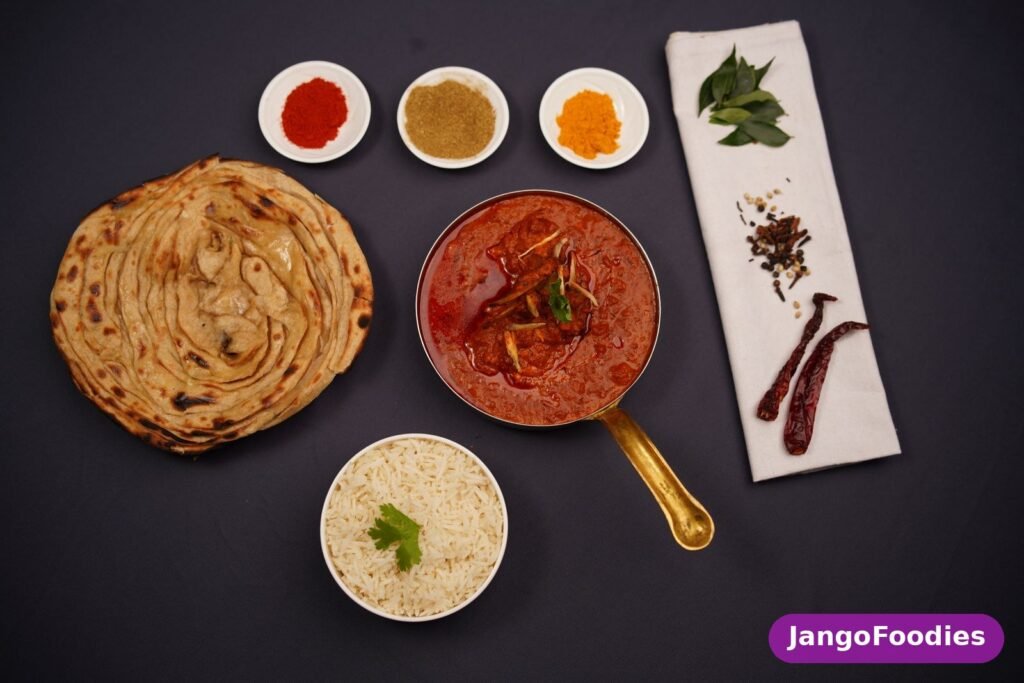
The classic way to serve this is exactly as the title says: a generous mound of fluffy basmati rice with the tikka masala spooned over the top, so the sauce runs down into the rice and every spoonful has a bit of both. I like to serve it in wide, shallow bowls rather than flat plates, because bowls hold the sauce better and there is less chasing it around the plate. Scatter fresh coriander over the top, add a wedge of lemon for anyone who likes a little brightness, and put warm naan on the table for mopping up the sauce that the rice misses. That last bit of sauce, scooped up with bread, is honestly one of the best parts of the meal.
If you are feeding a crowd, add a simple cucumber raita on the side — yogurt, grated cucumber, a pinch of salt and a little chopped mint — which cools the palate between bites. A small bowl of mango chutney adds sweetness, and a simple salad of sliced red onion, tomato and cucumber with lemon juice gives the meal a fresh, crunchy contrast. None of these need a recipe; they are five-minute sides that make the dinner feel generous and complete.
For drinks, a cold lager or a light, fruity white wine both work well with the spices, and a pot of masala chai afterwards turns dinner into an event. If you are serving this as part of a bigger Indian-inspired spread, it sits happily next to a dal, a vegetable curry, or some samosas, and the rice stretches to cover all of it. The key is not to overthink the sides — the tikka masala is the star, and everything else is there to support it, not compete with it.
Storage and Reheating
Leftovers keep beautifully in the fridge for three to four days, and as I said earlier, they are often better the next day. Store the sauce and the rice separately if you can, in airtight containers, because the rice will go soggy if it sits in the sauce overnight. The sauce will thicken as it cools, which is normal — it loosens again with a splash of water when you reheat it. This separation also makes it easier to use the leftovers in different ways, which is half the fun.
To reheat, warm the sauce gently in a saucepan over medium-low heat, stirring now and then, until it is piping hot all the way through. Add a splash of water or a little extra cream if it has thickened too much. Reheat the rice separately with a sprinkle of water over it and a loose cover, which steams it back to life and stops it drying out. If you are looking for another make-ahead chicken dish that reheats just as well, our creamy chicken and wild rice soup is another one that improves overnight and is made for busy weeks.
For longer storage, the sauce freezes brilliantly for up to three months. Cool it completely, pack it into freezer bags or containers, label them, and lay them flat so they stack neatly. Thaw overnight in the fridge, then reheat gently as above. I would not freeze the rice with the sauce — it is so quick to make fresh that it is hardly worth the freezer space. A bag of frozen tikka masala sauce is one of the best insurance policies a busy cook can have.
Frequently Asked Questions
Can I make chicken tikka masala with chicken breast instead of thighs?
Yes, absolutely. The main thing to watch is cooking time, because breasts dry out faster than thighs. Cut them into even chunks, cook them for about two to three minutes a side, and let them finish gently in the sauce rather than simmering them for a long time. If you are worried about dryness, you can also add the raw breasts to the sauce for the last ten minutes of cooking, which keeps them wonderfully moist.
How spicy is this recipe?
As written, it is warmly spiced rather than hot. The half teaspoon of chilli powder gives a gentle background warmth that most people find comfortable, including children who are used to mild spice. If you like real heat, add a chopped fresh green chilli with the tomatoes or an extra half teaspoon of chilli powder. If you want it completely mild, leave the chilli powder out and use sweet paprika instead. The garam masala and other spices provide plenty of flavour without any heat at all, so you will not be missing out.
Can I make the sauce ahead of time?
Yes, and it is a great idea. The sauce — without the chicken — keeps in the fridge for up to four days and freezes for up to three months. Make a double batch, freeze half, and you are one chicken-cooking session away from dinner on a busy night. The chicken can also be marinated the night before, so all you need to do on the day is cook the chicken, warm the sauce, and boil the rice.
What is the difference between chicken tikka masala and butter chicken?
They are close cousins, and the confusion is understandable, because both are creamy tomato-based curries. The main difference is the chicken: tikka masala uses chicken marinated in spiced yogurt and cooked first, usually with a little char, which gives it a smoky, tangy character. Butter chicken is usually sweeter and milder, with more emphasis on the rich, buttery sauce itself. Tikka masala tends to be more robustly spiced, while butter chicken is silkier and gentler. Both are wonderful, and honestly, most people love both.
Do I need a food processor or blender for the sauce?
No, it is entirely optional. Blending the sauce before adding the cream gives it that silky, restaurant-smooth texture, and I do it when I have the time, but the dish is just as delicious with a slightly rustic, chunky sauce. If you do blend, a stick blender straight in the pan is the easiest option — just be careful of splashes, and let the sauce cool for a minute first. If you do not own a blender, do not buy one for this recipe. The flavour is what matters, and the flavour is all in the cooking, not the blending.
What should I serve with chicken tikka masala besides basmati rice?
Warm naan bread is the classic partner, and it is essential in my house for mopping up the sauce. A simple cucumber raita cools the palate, and a small salad of red onion, tomato and cucumber with lemon juice adds freshness and crunch. If you want to skip the rice, the curry is lovely over cauliflower rice, with roasted vegetables, or simply on its own in a bowl with bread. It also makes a wonderful filling for wraps the next day — spoon the leftover chicken into a warm flatbread with a little raita and some shredded lettuce, and you have a completely different meal from the same pot.