

Creamy Chicken and Wild Rice Soup
There is a particular kind of cold evening that calls for soup, and not just any soup — the thick, creamy, stick-to-your-ribs kind that comes in a big bowl and makes the whole house smell wonderful. This creamy chicken and wild rice soup is that soup in my house. I first made it on a grey, rainy Sunday when the fridge had a bit of leftover chicken, a bag of wild rice I had been meaning to use, and the usual collection of carrots and celery that seem to live in the vegetable drawer forever. I threw it all in a pot, not expecting much, and by the time it was ready, everyone was standing in the kitchen with spoons in hand, asking when it would be done.
What makes this soup special is the wild rice. It is not actually rice at all, but the seed of a water grass, and it has this wonderful nutty, almost smoky flavour and a chewy texture that holds up beautifully in soup. Regular rice goes soft and disappears after a while in a pot, but wild rice keeps its bite, so every spoonful has something to chew on. It also makes the soup feel substantial in a way that a thin broth never does. This is a meal in a bowl, not a starter, and one generous serving is honestly enough for dinner.
I love that this is a proper make-ahead recipe too. The flavours get even better overnight, the rice soaks up a little more of the creamy broth, and it reheats like a dream for lunch the next day. I often make a double batch on a Sunday and we eat it for two or three days, which feels like the best kind of cooking — one afternoon of effort, several evenings of good food. It freezes well too, which means a bad week can be rescued by a container from the freezer and a bit of crusty bread.
If you have never cooked wild rice before, do not worry. It takes longer than white rice, about forty-five minutes, but it is almost impossible to ruin — you just simmer it until the grains split open and curl a little, like tiny flowers. You can cook it ahead of time, even the day before, and it waits patiently in the fridge. And if you are short on time, a pouch of pre-cooked wild rice blend from the supermarket works just fine. The soup will not judge you, and neither will I.
Why You’ll Love This Recipe
It is the definition of cosy. Creamy without being heavy, thanks to a simple flour-and-butter base and a splash of cream at the end rather than a whole carton, and packed with vegetables so it feels nourishing rather than indulgent. The kind of bowl you wrap both hands around on a cold night.
It is also brilliantly practical. This soup was practically designed for leftover chicken — a rotisserie chicken from the night before, the last of a roast, or chicken you cooked earlier in the week specifically for this. If you have leftover chicken to use up, our easy leftover rotisserie chicken recipes has more ideas in the same spirit, but honestly this soup might be the best use of it. The chicken just needs to be cooked and shredded or cubed, and it goes in near the end so it stays tender.
It feeds a crowd without any fuss. One pot makes eight generous servings, and it scales up easily if you have a bigger pot. It is the soup I make when friends come over for a casual supper, served with a loaf of bread and a simple salad, and nobody has ever complained that dinner was just soup. It also suits almost everyone — you can make it gluten-free, dairy-free, or swap in different vegetables depending on what is in the fridge, and it still works.
And it is a one-pot meal, which matters on a weeknight. The rice cooks, the vegetables soften, the sauce thickens, all in the same pot. There is a bit of chopping at the start, and then the stove does the rest. Put some bread in the oven, set the table, and dinner takes care of itself.
Ingredients You’ll Need
- 1 cup uncooked wild rice, rinsed
- 2 tablespoons unsalted butter
- 1 tablespoon olive oil
- 1 large onion, finely diced
- 3 medium carrots, peeled and diced
- 3 celery stalks, diced
- 3 garlic cloves, minced
- 8 cups low-sodium chicken stock
- 1 teaspoon dried thyme
- 1 bay leaf
- 3 cups cooked chicken, shredded or cubed
- 1/4 cup plain flour (all-purpose)
- 1 cup double cream (heavy cream)
- 1 teaspoon fine sea salt, plus more to taste
- 1/2 teaspoon freshly ground black pepper
- 2 tablespoons fresh parsley, chopped, to serve
How to Make Creamy Chicken and Wild Rice Soup
Start with the wild rice, because it takes the longest and everything else can happen while it cooks. Rinse the rice in a sieve under cold water, then put it in a medium saucepan with three cups of water and a pinch of salt. Bring it to a boil, turn the heat down low, cover, and let it simmer for about forty to forty-five minutes until the grains have split open and are tender with a little chew left in them. Drain off any extra water and set the rice aside. If you are cooking the rice the day before, let it cool completely and keep it in a covered container in the fridge — it will be ready and waiting when you are. Cooking the rice separately, rather than in the soup, is a small step that makes a real difference: the soup stays creamy instead of turning starchy, and the rice keeps its texture instead of going mushy.
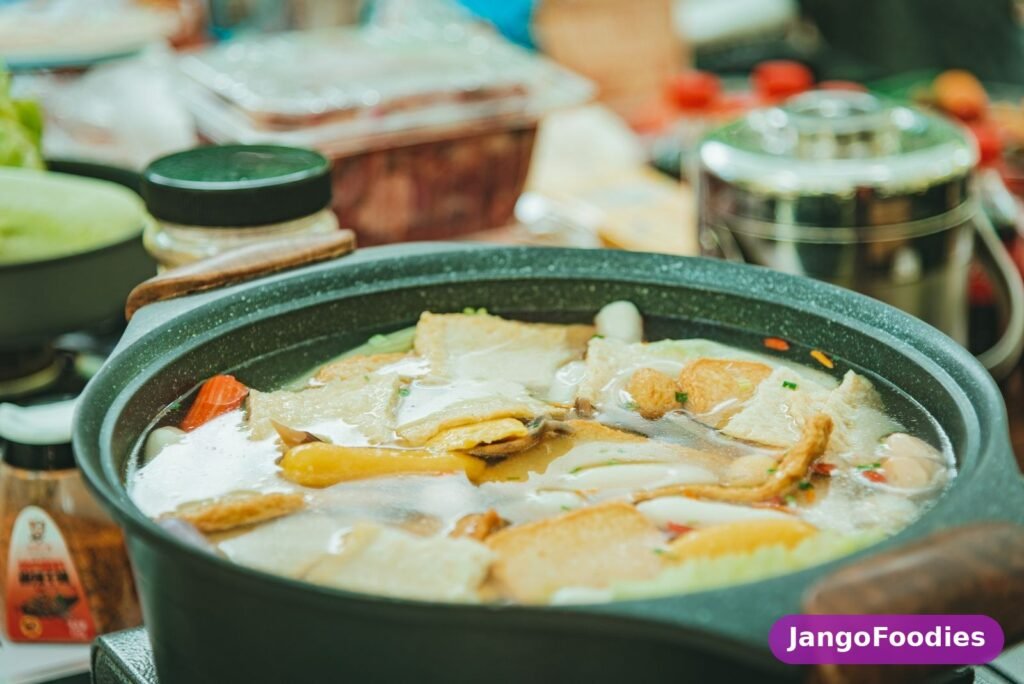
While the rice is simmering, get the soup base going. Melt the butter with the olive oil in a large, heavy pot or Dutch oven over medium heat, then add the onion, carrots and celery — the classic trio that gives so many good soups their backbone — along with a pinch of salt. Cook them gently for about eight minutes, stirring now and then, until the onion is soft and translucent and the carrots have started to soften at the edges. Do not rush this part or turn the heat up to hurry it along; vegetables cooked slowly in butter taste sweeter and rounder than vegetables cooked fast, and that sweetness is the quiet foundation of the whole soup. When the vegetables are soft, add the garlic and cook for one more minute until it smells fragrant.
Now sprinkle the flour over the vegetables and stir it through for a minute, letting it coat everything and cook out its raw taste. This is the roux that will thicken the soup, and it is the same simple technique used in our easy homemade chicken pot pie without crust, which gets its creamy comfort from exactly this kind of base. Pour in the chicken stock a little at a time, stirring as you go so the flour dissolves smoothly instead of clumping — a ladle at a time is ideal, and it is worth the patience. Once all the stock is in, add the dried thyme and the bay leaf, bring the soup to a gentle simmer, and let it bubble quietly for fifteen minutes so the vegetables finish cooking and the flavours come together. The soup will already be starting to thicken slightly, and the kitchen will smell like the best kind of Sunday afternoon.
Add the cooked wild rice and the chicken to the pot, stirring them through, and let everything simmer together for another ten minutes. The rice will soak up a little of the broth and the chicken will warm through and take on the flavour of the soup, and this is where it really starts to feel like a meal rather than a pot of stock with things floating in it. Taste the soup now and season it with salt and pepper — do not season heavily at the start, because the stock reduces a little and the flavours concentrate, and it is much easier to add salt than to take it away. If you are comparing methods, Taste of Home’s creamy chicken and wild rice soup takes a similar approach with the rice cooked separately and the cream stirred in at the end, which is a good sign that the technique is sound.
Turn the heat down to low and stir in the cream, letting it warm through for three or four minutes without letting the soup boil. Boiling after the cream goes in can make it split or taste grainy, so gentle heat is the rule from here on. Fish out the bay leaf, taste once more, and adjust the seasoning — a little more salt, a grind of black pepper, maybe a squeeze of lemon if the soup feels like it needs brightening. Ladle it into warm bowls, scatter over the chopped parsley, and serve it with plenty of crusty bread for dunking. The soup is thick, creamy and full of nutty rice and tender chicken, and it is best eaten slowly, with both hands wrapped around the bowl.
Tips for Perfect Creamy Chicken and Wild Rice Soup
Cook the rice separately. I know it is an extra pan, but it is the difference between a soup that is creamy and a soup that is starchy and gluey, because wild rice releases a lot of starch as it cooks. Cooked separately, the rice keeps its chew and the soup keeps its silkiness, and you can control both textures properly. It also means you can use leftover cooked rice without any extra work.
Do not boil the soup after adding the cream. Cream is happiest at a gentle simmer, and a hard boil can cause it to separate. Keep the heat low, stir it in, and take the pot off the heat as soon as it is warmed through. If you are using half-and-half instead of double cream, the same rule applies, only more so — it splits more easily, so be extra gentle.
Use good stock, because in a soup like this the stock is not a background ingredient, it is the soup. Homemade is wonderful if you have it, but a good quality low-sodium shop-bought stock works perfectly well. Taste it before you add salt — some stocks are saltier than others, and you want to season to taste at the end, not guess at the start. And if you are building a whole week of leftover-chicken meals, our quick meals with leftover cooked chicken will help you plan the rest of the week around the same bird.
Chop the vegetables evenly so they cook at the same rate. It sounds fussy, but a pot where some carrots are mushy and others are still crunchy is a small disappointment in an otherwise lovely soup. Aim for pieces about the size of a pea, or a little bigger, and take your time with the knife at the start. It pays off in every spoonful.
Let it rest before serving. Ten minutes off the heat with the lid on lets the flavours settle and the soup thicken slightly, and it is much easier to eat when it is hot rather than scalding. It also gives you time to warm the bowls and cut the bread, which is half the pleasure of soup night anyway.
Variations to Try
For a mushroom version, add a couple of handfuls of sliced mushrooms with the onion and carrots and let them brown a little before you add the flour. They bring a deep, savoury note that suits the wild rice beautifully, and a splash of white wine deglazed into the pan before the stock adds another layer. This is one of my favourite cold-weather variations, and it tastes like something from a much fancier kitchen than mine.
If you want a lighter soup, swap the double cream for evaporated milk or a mix of milk and a little extra flour, and use a light hand with the butter. It will not be quite as rich, but it will still be creamy and comforting, and the wild rice does a lot of the satisfying work on its own. For a dairy-free version, use olive oil instead of butter and stir in a tin of coconut milk or a cashew cream at the end — the coconut version has a gentle sweetness that works surprisingly well with the thyme.
Change the vegetables with the seasons. In autumn, add diced sweet potato or butternut squash. In spring, stir in peas and a handful of spinach right at the end so they stay bright. In summer, a courgette diced small is lovely. The base is forgiving, and the soup welcomes whatever the fridge offers, which is exactly what a good weeknight soup should do. If you love cosy one-pan rice dinners in the same spirit, our one-pan chicken and rice for two is a good next cook.
For a gluten-free version, skip the flour and thicken the soup by blending a ladleful of the soup — vegetables and a little broth — and stirring it back in, or use a cornstarch slurry at the end. Both work well, and the blended-vegetable method adds body without any extra ingredients. And if you prefer a heartier soup, add a tin of drained white beans or some diced potato along with the stock and let them cook until tender.
Serving Ideas
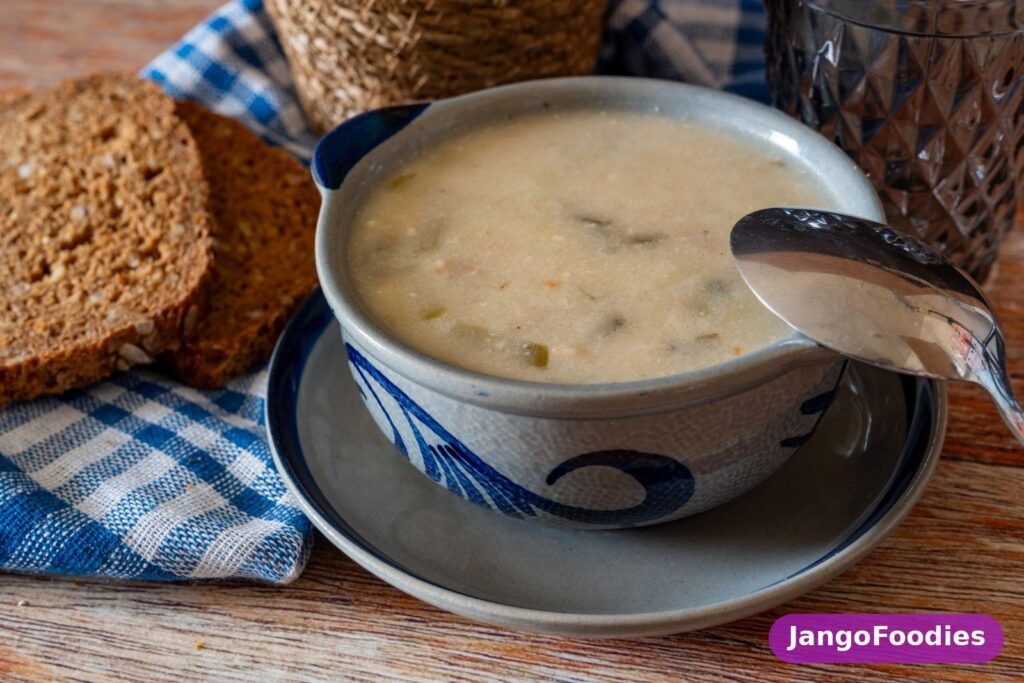
Crusty bread is the non-negotiable partner for this soup. A good sourdough, a baguette, or a hunk of farmhouse loaf, torn rather than sliced, is perfect for dunking, and if you have time to warm it in the oven for a few minutes, even better. A simple green salad with a sharp vinaigrette on the side cuts through the creaminess nicely and makes the meal feel complete without any extra cooking.
For a more filling supper, serve the soup with a grilled cheese sandwich — the classic pairing for a reason — or with a few slices of garlic bread. If you are feeding children, they often like it with a sprinkle of grated cheddar on top, which melts into the soup and makes it even more comforting. A drizzle of good olive oil and some extra cracked black pepper on top is my own favourite finish, along with the parsley.
This soup also makes a wonderful starter for a bigger dinner, served in smaller bowls before a roast or a pasta course. In that case, keep the portions modest and skip the bread, or you will find nobody has room for the main course, which has happened in my house more than once and is honestly not the worst problem to have.
Storage and Reheating
Let the soup cool completely, then keep it in airtight containers in the fridge for up to four days. The rice will keep absorbing liquid as it sits, so the soup will thicken overnight — that is normal, and a splash of stock or water when you reheat it will bring it right back. Stir well as you warm it, and taste for salt again, since the flavours shift a little in the fridge.
To reheat, warm it gently in a saucepan over medium-low heat, stirring now and then, until it is steaming all the way through. Avoid boiling it hard, especially after it has been refrigerated, because the cream can separate. The microwave works too, in a covered bowl, heated in short bursts and stirred between each one, but the stovetop gives you more control and a better result.
For freezing, this soup freezes well for up to three months, but with one caveat: cream-based soups can change texture when frozen and thawed, sometimes turning slightly grainy. The fix is simple — freeze the soup before adding the cream, then stir the cream in fresh when you reheat it. That way you get the convenience of a freezer stash and the silkiness of a fresh batch, which is the best of both worlds. Thaw overnight in the fridge, reheat gently, and add the cream at the end.
Frequently Asked Questions
Can I use regular rice instead of wild rice?
You can, but the soup will be quite different. White rice cooks faster and goes soft, so add it in the last fifteen minutes of cooking rather than at the start, and use a little less, since it swells more. Brown rice is a closer match in texture and takes about forty minutes, so it can go in with the stock. A wild rice blend is a good middle ground if you cannot find pure wild rice.
Can I make this soup in a slow cooker?
Yes. Cook the rice separately as usual, then add the vegetables, stock, thyme and bay leaf to the slow cooker and cook on low for six hours or high for three. Stir in the flour and cream mixture — whisk the flour into the cream first — along with the rice and chicken in the last thirty minutes, and cook until thickened. It is a lovely set-and-forget version for a busy day.
Why did my soup turn out gluey?
Almost always because the rice was cooked in the soup, releasing starch into the broth, or because too much flour went into the roux. Cook the rice separately, measure the flour carefully, and add the stock gradually while stirring. If it has already gone gluey, thin it with a little extra stock and let it simmer gently for a few minutes — it will not be perfect, but it will be much better.
Can I use uncooked chicken in this soup?
Yes, and it is a good option if you do not have leftovers. Add two boneless chicken breasts or thighs to the pot with the stock and let them poach gently for twenty minutes, then lift them out, shred them with two forks, and return them to the pot with the rice. Taste of Home’s chicken wild rice soup uses cooked chicken, but poaching it in the soup itself adds even more flavour to the broth.
How do I make this soup dairy-free?
Use olive oil in place of butter, skip the flour roux or use a cornstarch slurry to thicken, and stir in a tin of full-fat coconut milk or a cashew cream at the end instead of double cream. The flavour is a little different — gently sweet and nutty — but it is delicious, and the wild rice and thyme still shine through.
How long does wild rice take to cook?
Usually forty to forty-five minutes of gentle simmering, until the grains split open and curl slightly and are tender with a little chew. Start checking at thirty-five minutes, since brands vary, and drain off any extra water when it is done. It is very forgiving — an extra five minutes will not hurt it, which is more than you can say for most grains.



One Comment