
Chicken Piccata with Lemon Caper Sauce
There are some dinners that just make an ordinary Tuesday feel a little bit fancy, and chicken piccata is right at the top of that list for me. The first time I made it, I was honestly a bit nervous. Lemon and capers sounded like the sort of thing you order in a restaurant, not something you throw together at home after work. But then I tasted that sauce — bright and buttery, a little salty from the capers, with just enough lemon to wake everything up — and I realised I had been overthinking it for years. It is, at heart, a very simple pan-fried chicken dinner. The sauce does all the showing off.
What I love most about this recipe is how quickly it comes together. Thin chicken cutlets cook in about three minutes a side, and the sauce comes together in the same pan in five minutes flat, using all those lovely golden bits left behind from the chicken. That is the whole secret, really. You are not making two things; you are making one thing, and the pan does the second half of the work for you. By the time the pasta water is boiling, dinner is basically done, and the kitchen smells like a proper Italian restaurant.
I have made this for friends who turned up unexpectedly, for a quiet dinner when I wanted something a bit special without a lot of fuss, and more times than I can count on a weeknight when everyone was hungry and nobody wanted to wait. It never lets me down. The chicken stays juicy because it is pounded thin and cooked fast, the coating is light and golden rather than heavy, and the sauce is the kind of thing people mop up with bread when they think nobody is watching. I have seen it happen. I have done it myself.
If you have never cooked with capers before, do not let them put you off. They look a little unusual, those tiny green buds in a jar, but they are mild and briny rather than fishy, and they soften right into the sauce. If you are still unsure, start with a little less and add more next time. This is a forgiving recipe, the kind you can make your own after the first try. Keep the lemon fresh, keep the pan hot, and do not skip the butter at the end — that is what turns a pan of lemony liquid into a glossy sauce worth remembering.
Why You’ll Love This Recipe
First, it is fast. From the moment you start pounding the chicken to the moment you sit down, you are looking at about thirty minutes, and a good chunk of that is just letting things simmer gently while you set the table. On nights when I am tempted to order in, this is the recipe that talks me out of it, because honestly, it is quicker than waiting for delivery, and it tastes about ten times better.
Second, it uses ingredients you probably already have. Chicken breasts, flour, a lemon, butter, garlic, a jar of capers and a splash of white wine or stock — that is the whole list. Nothing exotic, nothing you need to hunt for in a special shop. I keep a jar of capers in the fridge now purely because of this dish, and they last for months, so there is always a batch waiting to happen.
Third, it feels special without being fussy. There is something about a lemon butter sauce that makes people sit up a little straighter at the table. Serve it over angel hair pasta or with a pile of creamy mashed potatoes and a green salad, and it looks like you spent all afternoon on it. You did not, and that can be our little secret. It is also endlessly adaptable, which matters in a real kitchen where you cook with what you have, not what a recipe demands.
And finally, it is a one-pan sauce, which means less washing up. The chicken fries, the sauce builds in the same pan, and the chicken goes back in to finish. One skillet, one cutting board, one plate for the flour. On a busy evening, that matters almost as much as the taste. Almost.
Ingredients You’ll Need
- 4 boneless, skinless chicken breasts (about 600g / 1 1/2 lb total)
- 1 teaspoon fine sea salt, plus more to taste
- 1/2 teaspoon freshly ground black pepper
- 1/2 cup plain flour (all-purpose), for dredging
- 3 tablespoons olive oil
- 3 tablespoons unsalted butter, divided
- 3 garlic cloves, finely minced
- 1/3 cup dry white wine (or extra chicken stock)
- 3/4 cup low-sodium chicken stock
- 3 tablespoons fresh lemon juice (from 1 large lemon)
- 2 tablespoons capers, drained and rinsed
- 1 tablespoon lemon zest
- 3 tablespoons fresh parsley, finely chopped
- Lemon slices, to garnish
How to Make Chicken Piccata with Lemon Caper Sauce
Start by getting the chicken ready, because everything moves quickly once the pan is hot. Lay each chicken breast on a chopping board, hold your knife flat and slice it in half horizontally, so you end up with two thinner cutlets from each breast. If one end is much thicker than the other, give it a few gentle taps with a rolling pin or the flat of a meat mallet between two sheets of baking paper until it is roughly even, about half a centimetre thick. Even thickness is the whole trick here — it is what keeps the chicken from drying out on the thin end while the thick end is still catching up. Season both sides generously with salt and pepper, then spread the flour on a wide plate and press each cutlet into it, coating both sides lightly and shaking off the excess. You want a whisper of flour, not a thick coat. Too much flour turns gummy in the pan, and nobody wants that.
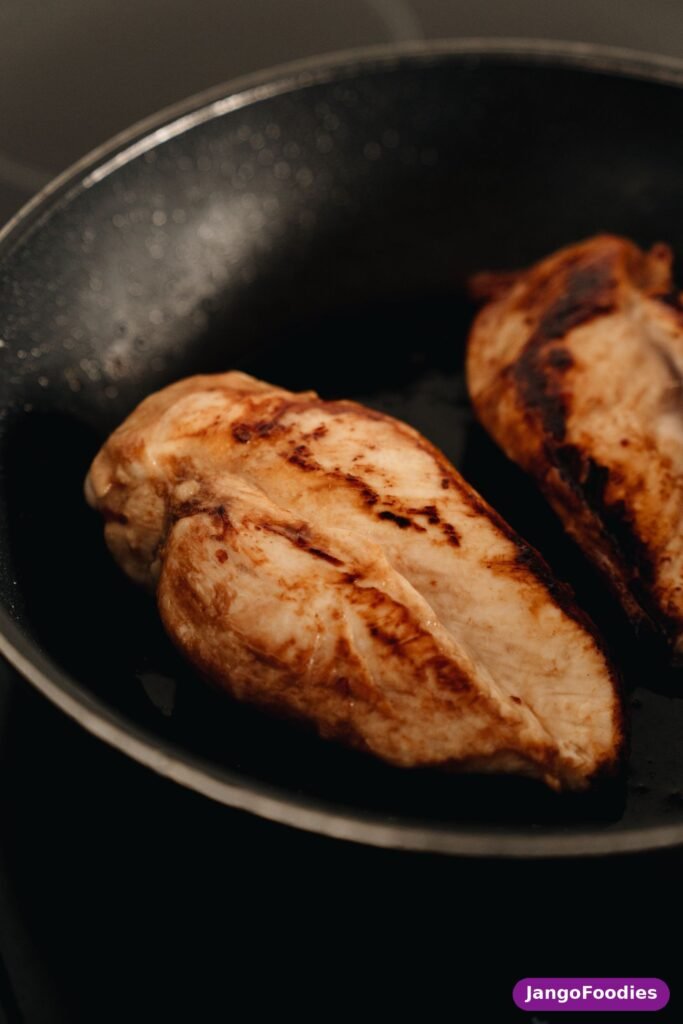
Now heat the olive oil and one tablespoon of the butter in a large, wide skillet over medium-high heat. A stainless steel or cast iron pan is ideal here because it browns better than non-stick, and those browned bits are the flavour base of your sauce, but use whatever large pan you have and it will still be lovely. When the butter is foaming and the oil is shimmering, lay in as many cutlets as fit without crowding — usually two or three at a time — and leave them alone. This is the hardest part of the recipe, honestly: not fiddling. Let them sit for about three minutes until the underside is deep golden, then flip and cook for another two to three minutes until the other side matches and the chicken is cooked through. The cutlets are thin, so they cook fast, and if you are unsure, cut into the thickest part of one piece and check that the juices run clear. Transfer the cooked chicken to a warm plate and repeat with the rest, adding a splash more oil if the pan looks dry. If you have ever wondered how to get that golden crust without breadcrumbs, this light flour dredge is the answer — the same idea behind our crispy chicken without breadcrumbs, which uses a similar trick to get a crunchy golden finish.
With the chicken out of the way, turn the heat down to medium and add the garlic to the pan. Stir it for about thirty seconds, just until it smells fragrant and turns the palest gold. Garlic burns in a blink, and burnt garlic will haunt the whole sauce, so have everything else ready to go before this step. Pour in the white wine and let it bubble for a minute, scraping the bottom of the pan with a wooden spoon as you go. This is called deglazing, which sounds fancy but really just means loosening all those caramelised bits into the liquid, where they belong. The wine will smell sharp for a moment and then mellow as the alcohol cooks off, leaving a gentle background richness behind. If you would rather skip the wine, chicken stock works beautifully here — use the same amount and carry on.
Next, pour in the chicken stock, lemon juice and capers, and let the sauce simmer for three to four minutes until it has reduced by about a third and tastes bright but not harsh. This is the moment to taste and adjust. If it feels too sharp, a tiny pinch of sugar or an extra knob of butter will round it out. If it feels flat, another squeeze of lemon will wake it up. Good cooking is mostly tasting and adjusting, and this sauce rewards a little attention. Stir in the lemon zest and the remaining two tablespoons of butter, a piece at a time, swirling the pan until the butter melts into the sauce and it turns glossy and slightly thickened. The butter is not just flavour here — it is what gives the sauce its silky body, so do not rush it or let the pan boil hard at this stage.
Slide the chicken back into the pan, spooning the sauce over each piece, and let it simmer very gently for a minute or two so the flavours come together and the chicken warms through. Scatter over the chopped parsley, add a few lemon slices to the pan if you like the look of them, and take the pan straight to the table or transfer everything to a warm serving platter, pouring every last drop of sauce over the top. That sauce is liquid gold, and I am not exaggerating — people will ask for the pan to be brought back. Serve it straight away while the chicken is hot and the sauce is glossy.
Tips for Perfect Chicken Piccata
Pound the chicken evenly and do not skip this step, even if you are in a hurry. Uneven chicken is the single biggest reason piccata turns out dry, because the thin parts overcook while you wait for the thick parts. A rolling pin and two sheets of baking paper work perfectly well if you do not own a meat mallet, and it only takes a minute.
Keep the pan hot enough for a proper sear but not so hot that the flour burns. Medium-high is the sweet spot, and if the flour starts to darken too quickly between batches, turn the heat down a touch and wipe the pan out with a paper towel before the next round. A clean-ish pan between batches makes a real difference to the colour of the sauce later.
Use fresh lemon juice, always. Bottled lemon juice tastes flat and a little bitter in a sauce where lemon is the star, and this is one of those recipes where it genuinely matters. One large lemon gives you both the juice and the zest, and the zest is where a surprising amount of the fragrance lives. Taste of Home’s easy chicken piccata makes the same point, and after making this both ways, I agree completely — fresh lemon is non-negotiable.
Do not overcook the chicken. Because the cutlets are thin, they go from perfect to dry in about sixty seconds, so pull them out when they are just done and let the gentle simmer in the sauce finish the job. If you own an instant-read thermometer, you are looking for 74°C (165°F) in the thickest part. And let the finished dish rest for two or three minutes before serving — the juices settle, the sauce clings better, and everything tastes more like itself.
Finally, rinse the capers. The brine they sit in is very salty, and rinsing takes the edge off so they add a gentle briny pop instead of a salty punch. If you are watching salt overall, this is an easy win, and it lets the lemon shine through more clearly.
Variations to Try
For a creamy version, stir in two or three tablespoons of double cream right at the end, after the butter, and let it warm through without boiling. It softens the lemon and turns the sauce into something closer to a restaurant-style creamy piccata, which is lovely over pasta. If you love creamy chicken dinners, our easy creamy chicken pasta without cream uses a similar gentle approach to get a silky sauce without a carton of cream.
If you do not eat dairy, the sauce works well with olive oil in place of the butter — it will be a little less glossy and a little sharper, but still delicious. Add the oil off the heat and whisk it in gradually. Mushrooms are another lovely addition: slice a handful, fry them after the chicken until golden, and carry on with the sauce as usual. They soak up the lemon butter beautifully.
For a gluten-free version, swap the plain flour for rice flour or a gluten-free flour blend. Rice flour actually gives a wonderfully crisp, light crust, and the sauce thickens just the same. And if capers are not your thing, try chopped green olives instead — they bring a similar salty, briny note and work surprisingly well with the lemon.
You can also change the protein. Thin turkey cutlets cook exactly the same way, and firm white fish like cod or haddock makes a beautiful fish piccata — just reduce the cooking time to about two minutes a side and be gentle when you flip it. The sauce is the same, and it is just as good spooned over fish as it is over chicken.
Serving Ideas
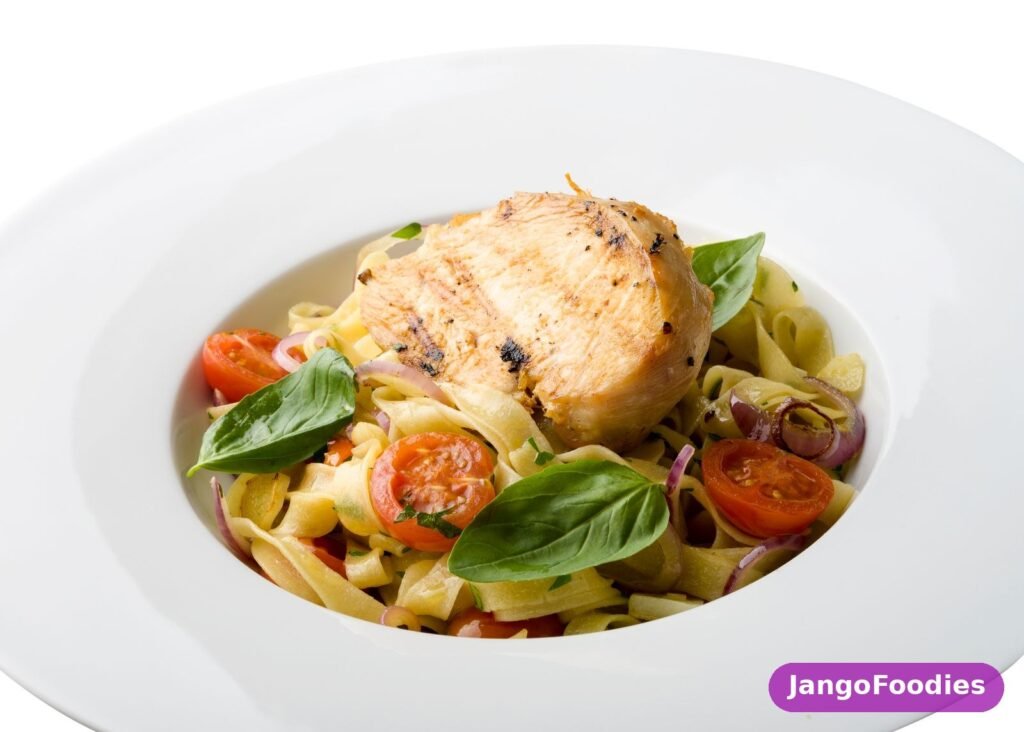
The classic way to serve chicken piccata is over a tangle of angel hair pasta or spaghetti, with the sauce spooned over everything so the pasta soaks it up. If pasta is on the menu, you might also like our easy chicken pasta without heavy cream for another weeknight option that keeps things light. For something more comforting, creamy mashed potatoes are a wonderful partner — they catch the sauce perfectly and turn the plate into proper comfort food. Rice works too, especially a simple buttered rice or a lemony rice pilaf.
For vegetables, keep it simple and green: steamed asparagus, green beans with a little garlic, or a big leafy salad with a light dressing. The sauce is rich enough that you do not need anything heavy alongside it, and a crisp salad cuts through the butter nicely. Crusty bread is almost mandatory in my house, purely for mopping up the sauce, and a glass of the same dry white wine you cooked with is a lovely touch if you drink wine.
If you are serving this for guests, plate it on a warm platter with extra lemon slices and a generous shower of parsley, and bring the pan to the table for seconds. It looks generous and a little bit theatrical, and it saves you from plating everything in the kitchen while it gets cold.
Storage and Reheating
Leftovers keep well in an airtight container in the fridge for up to three days. Store the chicken and sauce together so the chicken does not dry out, and keep any pasta or potatoes separate if you can, so they do not go soggy sitting in the sauce overnight. The sauce will thicken and set a little in the fridge because of the butter — that is completely normal and it loosens up again when reheated.
To reheat, warm the chicken and sauce gently in a covered skillet over low heat for five to seven minutes, adding a splash of chicken stock or water to loosen the sauce. Avoid the microwave if you can, because it tends to overcook the thin cutlets and make them rubbery, but if it is your only option, use half power in short bursts and stop as soon as it is warm through. The sauce will not be quite as glossy the second time, but a fresh squeeze of lemon and a little extra parsley at serving will bring it most of the way back.
For freezing, this recipe is best frozen as cooked chicken in sauce for up to two months, though the sauce can split slightly when thawed. If that happens, warm it very gently and whisk in a small knob of cold butter at the end to bring it back together. I usually prefer to make it fresh, since it is so quick, but a frozen batch is a genuinely useful thing to have on a night when cooking from scratch is not going to happen. If you are looking for a no-oven chicken dinner for one of those nights, our easy chicken dinner without oven is another good one to keep in mind.
Frequently Asked Questions
Can I make chicken piccata without white wine?
Yes, absolutely. Just replace the wine with the same amount of extra chicken stock and add a small extra squeeze of lemon juice at the end. You lose a little of the wine’s background depth, but the sauce is still bright, buttery and delicious. A splash of white wine vinegar, about a teaspoon, can add back a touch of that acidity if you like.
What are capers, and can I leave them out?
Capers are the pickled flower buds of the caper bush, and they taste salty, briny and a little floral. They are the signature flavour of piccata, so the dish is not quite the same without them, but if you really do not like them, you can leave them out or swap in chopped green olives. Start with a smaller amount if you are unsure — you can always add more, and most people who think they will not like capers end up loving them in this sauce.
Why is my sauce thin and watery?
Usually it just needs another minute or two of simmering before the butter goes in, so the liquid reduces a little. Make sure you let the stock and lemon juice bubble until it has reduced by about a third, and add the butter off a hard boil, swirling it in piece by piece — that is what thickens and glosses the sauce. If it is still thin, whisk in a teaspoon of flour mixed with a little cold water and simmer for a minute.
Can I use chicken thighs instead of breasts?
You can, and they are very forgiving. Use boneless, skinless thighs, pound them to an even thickness, and cook them for about four minutes a side since they are a little thicker and juicier. The sauce is exactly the same, and the darker meat holds up beautifully to the sharp lemon. It is a good option if you find breasts dry out too easily in your kitchen.
What should I serve with chicken piccata?
Angel hair pasta is the classic, but mashed potatoes, rice, or crusty bread all work wonderfully. Add a simple green vegetable like asparagus or green beans and a leafy salad, and you have a complete meal. For more ideas, the BBC Good Food chicken recipes collection is a good place to browse for side dishes that pair well with lemony chicken.
How do I keep the chicken from drying out?
Pound it to an even thickness, do not overcrowd the pan, and cook it fast over good heat. Thin cutlets need only about three minutes a side, and they finish gently in the sauce, so pull them out as soon as they are cooked through rather than leaving them in the pan while you make the sauce. Resting the finished dish for two or three minutes before serving also helps the juices settle back into the meat.