
One-Pan Sausage and White Bean Skillet
There is a particular kind of dinner that I think of as a pantry dinner, the kind you can make on an evening when you have not been to the shops, when the fridge is looking thin, and when the only things you are sure of are a packet of sausages, a tin of beans, and a few vegetables that are still holding on. This sausage and white bean skillet is the best version of that dinner I know. It is hearty and deeply savoury, it comes together in one pan in about thirty minutes, and it tastes like something that simmered for hours, even though it did not.
The combination of sausage and white beans is one of the great partnerships in cooking. It shows up in kitchens all over Europe — in a French cassoulet, in an Italian bean stew, in a Spanish fabada — and every version has the same logic. The sausage brings fat and spice and a deep, meaty flavour, and the beans soak all of it up, becoming creamy and rich in a way that plain beans never are. Add garlic, tomatoes, and a handful of greens, and you have a meal that is complete in itself, no side dish strictly necessary, though a piece of crusty bread to mop up the sauce is very nearly essential.
I make this most often on cold evenings, when the house is chilly and dinner needs to feel warming. There is something about the smell of sausage browning in a pan — the fennel, the garlic, the fat rendering out — that makes a kitchen feel like the warmest room in the house. By the time the beans go in and the sauce starts to bubble, the whole house smells like dinner, and everyone drifts towards the kitchen without being called. That is the mark of a good weeknight recipe, I think: it does not just feed people, it gathers them.
What I love most about this dish is how forgiving and flexible it is. Any sausage works — Italian, kielbasa, chorizo, or even a good breakfast sausage. Any white bean works — cannellini, butter beans, navy beans, or great northern. Any green works — kale, spinach, chard, or even cabbage. The method stays the same no matter what you put in it, and the result is always a pan of something warm, rich, and satisfying. It is the kind of recipe that makes you feel like a resourceful cook, because it turns a few humble ingredients into a dinner that people ask for again.
Why You’ll Love This Recipe
The first reason is the flavour, which is deep and satisfying in a way that belies how simple the recipe is. Browning the sausage properly is the key — those golden, caramelised edges and the fond left in the pan are where most of the flavour lives, and everything that goes into the pan afterwards picks it up. The garlic, the tomato paste, and the stock dissolve that fond into a rich, savoury sauce, and the beans soak it up as they simmer, so every spoonful tastes like it has been cooking for far longer than thirty minutes.
The second reason is that it is a genuine one-pan meal. The sausage browns in the pan, the vegetables cook in the same pan, the beans and tomatoes simmer in the same pan, and the greens wilt in at the end. There is no juggling, no second pot, no colander. Dinner is on the table in half an hour and the washing up is one pan and a chopping board. On a weeknight, when you are tired and the last thing you want is a sink full of dishes, that matters more than almost anything else about a recipe.
The third reason is how filling and satisfying it is. Sausage and beans are both substantial, protein-rich ingredients, and together they make a meal that keeps you full for hours. This is not a light, dainty dinner — it is a proper, hearty meal, the kind that works after a long day or on a cold night when you want something that sticks to your ribs. And yet it is not heavy in an uncomfortable way, because the tomatoes and greens bring acidity and freshness that keep the richness in balance. If you like this kind of hearty, practical one-pan cooking, our one pan chicken and rice for two is another cosy dinner that cooks everything together in a single pan.
Finally, this recipe is wonderfully economical. Sausages and tinned beans are among the cheapest sources of protein you can buy, and the whole dish costs very little per serving, especially if you are feeding a family. It scales up easily for a crowd — just use a bigger pan and double everything — and it tastes even better the next day, which makes it a great option for meal prep. It is proof that a good dinner does not need expensive ingredients, just good technique and a little patience with the browning.
Ingredients You’ll Need
The ingredient list is built around pantry staples, and most of it is probably already in your kitchen. The sausage is the one ingredient worth choosing carefully — buy the best you can afford, because the sausage is doing most of the flavour work in this dish. A good Italian sausage with fennel is my first choice, but kielbasa, chorizo, or any well-seasoned pork sausage will work beautifully.
- 1 pound Italian sausage, sliced into 1/2-inch rounds, or removed from casings and crumbled
- 1 tablespoon olive oil
- 1 onion, diced
- 4 garlic cloves, minced
- 1 tablespoon tomato paste
- 1 teaspoon smoked paprika
- 1 teaspoon dried oregano
- 1/2 teaspoon red pepper flakes
- 1 can (14 ounces) diced tomatoes
- 1 cup chicken stock
- 2 cans (15 ounces each) cannellini beans, drained and rinsed
- 3 cups kale, stems removed and leaves chopped, or baby spinach
- 1/2 cup grated Parmesan cheese, plus extra for serving
- 1/2 teaspoon salt
- 1/2 teaspoon black pepper
- 1 tablespoon fresh parsley, chopped, for serving
- Crusty bread, for serving
For the beans, cannellini beans are my first choice because they are creamy and they hold their shape well in the skillet, but butter beans are a close second — they are larger and even creamier, and they give the dish a lovely, luxurious texture. Navy beans and great northern beans will also work, though they are a little smaller and firmer. Whatever you use, drain and rinse them well, because the liquid in the tin is starchy and salty, and it will make the sauce gloopy if you add it to the pan.
For the greens, kale is my preference because it holds up to simmering without going mushy, and it adds a pleasant, slightly bitter note that balances the richness of the sausage. If you use spinach instead, add it at the very end, because it wilts in seconds and will disappear into the sauce if you cook it too long. Chard works well too — use the leaves and the chopped stems, adding the stems with the onion and the leaves at the end. The same idea of building a one-pan meal around whatever greens you have shows up in our chicken skillet with frozen vegetables, where frozen vegetables make the whole dish even quicker.
How to Make One-Pan Sausage and White Bean Skillet
The recipe moves in a straightforward sequence: brown the sausage, build the sauce, simmer the beans, wilt the greens. Each step takes a few minutes, and none of them is difficult, but the browning step is the one that matters most, so do not rush it. A large, deep skillet is the right pan — a 12-inch skillet gives the sausage room to brown properly, and it is deep enough to hold the sauce without splattering all over the stove.
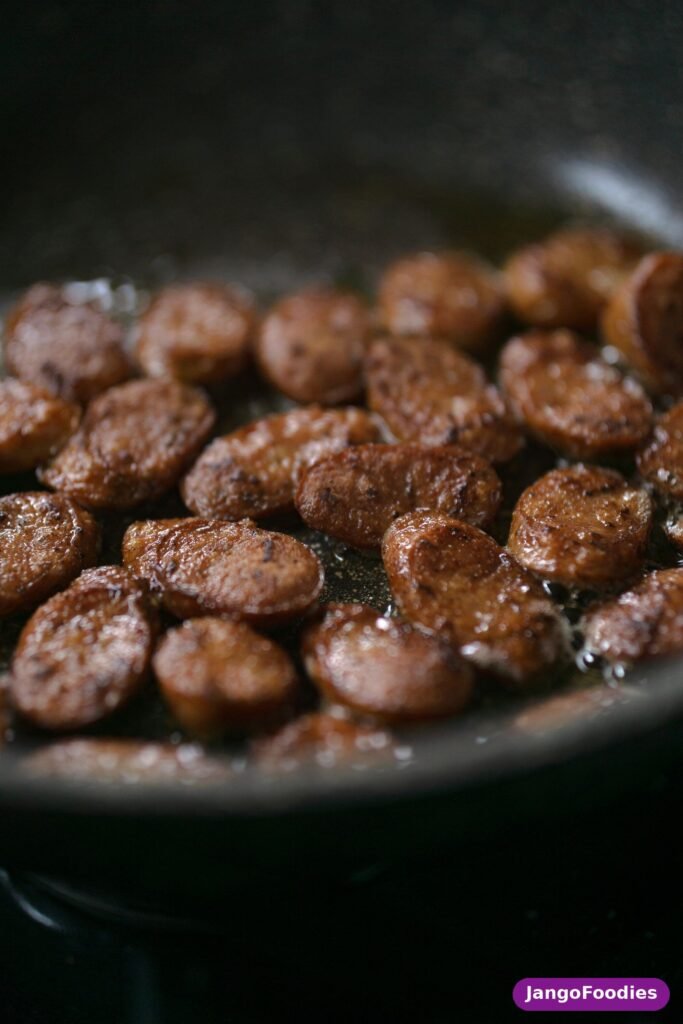
Heat the olive oil in the skillet over medium-high heat. When the oil is shimmering, add the sausage in a single layer. If you are using sliced sausage, lay the rounds flat; if you are using crumbled sausage, break it into pieces about the size of a walnut. Let the sausage cook undisturbed for 3 to 4 minutes, until the undersides are deeply golden brown, then turn the pieces over and cook for another 3 minutes until browned on the other side. This is the most important step in the recipe, and it is the one people most often rush. Sausage that is merely grey and cooked through tastes flat; sausage that is properly browned tastes rich, caramelised, and complex. Do not crowd the pan — if the sausage is packed in tightly, it will steam instead of browning, so cook in two batches if you need to. Transfer the browned sausage to a plate and set it aside, leaving the fat and the browned bits in the pan.
Reduce the heat to medium and add the diced onion to the same pan. Cook for 3 to 4 minutes, stirring occasionally, until the onion is soft and translucent and starting to turn golden at the edges. The onion will pick up the browned bits from the bottom of the pan as it cooks, and that is exactly what you want. Add the minced garlic and cook for thirty seconds, just until fragrant — garlic burns quickly in a hot pan, and burnt garlic will flavour the whole dish, so keep it moving and do not walk away.
Stir in the tomato paste, smoked paprika, dried oregano, and red pepper flakes, and cook for one minute, stirring constantly. The tomato paste will darken slightly and smell sweet and rich, and the spices will bloom in the hot fat. This step is small but it makes a real difference: cooking the tomato paste takes away its raw, tinny taste and deepens it into something savoury and complex. Then pour in the diced tomatoes and the chicken stock, and use a wooden spoon to scrape up all the browned bits from the bottom of the pan. Those bits are concentrated flavour, and the liquid will dissolve them into the sauce.
Add the drained beans and the browned sausage back to the pan, along with any juices from the plate. Stir everything together, season with the salt and black pepper, and bring the sauce to a gentle simmer. Reduce the heat to medium-low, cover the pan, and cook for 12 to 15 minutes, stirring occasionally, until the sauce has thickened slightly and the flavours have come together. The beans will soften and absorb the sauce, and the sausage will finish cooking through. If the sauce looks too thick, add a splash more stock; if it looks too thin, take the lid off for the last few minutes so it can reduce.
Uncover the pan and stir in the kale, a handful at a time, letting each handful wilt before adding the next. The kale will take about 2 to 3 minutes to wilt down and turn bright green. If you are using spinach, it will take less than a minute. Stir in the Parmesan cheese and let it melt into the sauce, then taste and adjust the seasoning — a little more salt if it needs it, a pinch more red pepper flakes if you want heat, a squeeze of lemon juice if it tastes too rich. Spoon into warm bowls, scatter the chopped parsley over the top, and serve right away with crusty bread. For a slower-cooked take on the same flavours, the BBC Good Food sausage and bean casserole recipe is a wonderful oven version, and the Taste of Home kielbasa skillet stew recipe is another hearty one-pan sausage and bean dinner.
Tips for Perfect One-Pan Sausage and White Bean Skillet
The first tip is about browning the sausage, and it is worth repeating because it is the single biggest factor in how good this dish tastes. Brown sausage is not just cooked sausage — it is sausage that has been transformed by heat into something richer and more complex. The key is a hot pan, a single layer, and patience. Do not move the sausage around while it browns; let it sit, let it caramelise, and only turn it when the underside is deeply golden. If you are using crumbled sausage, break it into pieces and let them brown before you start stirring. The fond left in the pan — those brown bits stuck to the bottom — is liquid gold, and the sauce will dissolve it into pure flavour.
The second tip is about the tomato paste. A lot of people add tomato paste straight into a liquid and wonder why their sauce tastes flat and tinny. Tomato paste needs to be cooked in fat for a minute before any liquid goes in — it darkens, it sweetens, and it develops a deep, savoury flavour that raw tomato paste never has. It is a small step that takes sixty seconds and makes a noticeable difference to the finished dish. The same principle applies to the spices: blooming them in the hot fat for a minute wakes them up and distributes their flavour through the whole pan.
The third tip is about the beans. Rinse them well, and do not add the liquid from the tin. That liquid is starchy and salty, and it will make the sauce thick and gloopy instead of rich and silky. Rinsed beans also let you control the salt in the dish, which matters because sausage is already salty. Taste the dish before you add any extra salt — you may find it does not need much at all, especially if your stock is salted. And be gentle when you stir the beans in: cannellini beans are creamy and they can break apart if you are rough with them. A few broken beans are actually a good thing, because they thicken the sauce, but you do not want them all to fall apart.
The fourth tip is about the greens. Kale needs a few minutes to wilt and soften, while spinach needs less than a minute, so add them accordingly. If you add spinach too early, it will overcook and disappear into the sauce, leaving you with a green-tinted dish and no visible greens. If you add kale too late, it will still be tough and chewy. Add the greens at the end, in handfuls, and let each handful wilt before adding the next. The greens should be tender and bright green, not dull and overcooked.
The fifth tip is about the finish. A spoonful of Parmesan stirred in at the end adds a salty, savoury depth that ties the whole dish together, and a squeeze of lemon juice — just a teaspoon or two — brightens everything up and cuts through the richness of the sausage. It is a small addition that makes a surprising difference, and it is the kind of finishing touch that separates a good dish from a great one. A drizzle of good olive oil over each bowl does the same thing, adding a fruity richness that makes the dish taste finished rather than just cooked.
Variations to Try
The sausage is the easiest thing to change. Chorizo gives the dish a smoky, paprika-rich character and turns the sauce a beautiful deep red — use the cooking kind, not the cured kind, and reduce the smoked paprika since the chorizo brings its own. Kielbasa is milder and smokier, and it is wonderful sliced into rounds and browned the same way. For a lighter version, use chicken or turkey sausage, which is leaner but still flavourful, and add an extra tablespoon of olive oil to the pan since there will be less fat rendering out. For a vegetarian version, use a good plant-based sausage and vegetable stock — the method is identical and the result is surprisingly satisfying.
The beans are flexible too. Butter beans are larger and creamier than cannellini, and they make the dish feel more luxurious. Chickpeas are firmer and nuttier, and they hold their shape beautifully. A mix of two kinds of beans is lovely — cannellini and chickpeas together give you a nice variety of textures. If you have dried beans, you can use them, but they need to be cooked first; this is not a recipe for cooking dried beans from scratch in the pan, because they would take far too long.
For a Tuscan-inspired version, add a cup of sun-dried tomatoes and a handful of torn basil at the end, and finish with a generous amount of Parmesan. For a Spanish-inspired version, use chorizo, add a teaspoon of smoked paprika and a pinch of saffron if you have it, and stir in a handful of chopped roasted red peppers. For a spicier version, add a diced jalapeño with the onion and double the red pepper flakes. For a creamier version, stir in half a cup of cream with the Parmesan at the end — it turns the sauce into something rich and velvety that is wonderful over mashed potatoes or polenta. If you have leftover chicken to use up, our quick meals with leftover cooked chicken has plenty of ideas for turning it into a quick dinner, and the same one-pan approach works here — just stir diced cooked chicken in with the beans.
Serving Ideas
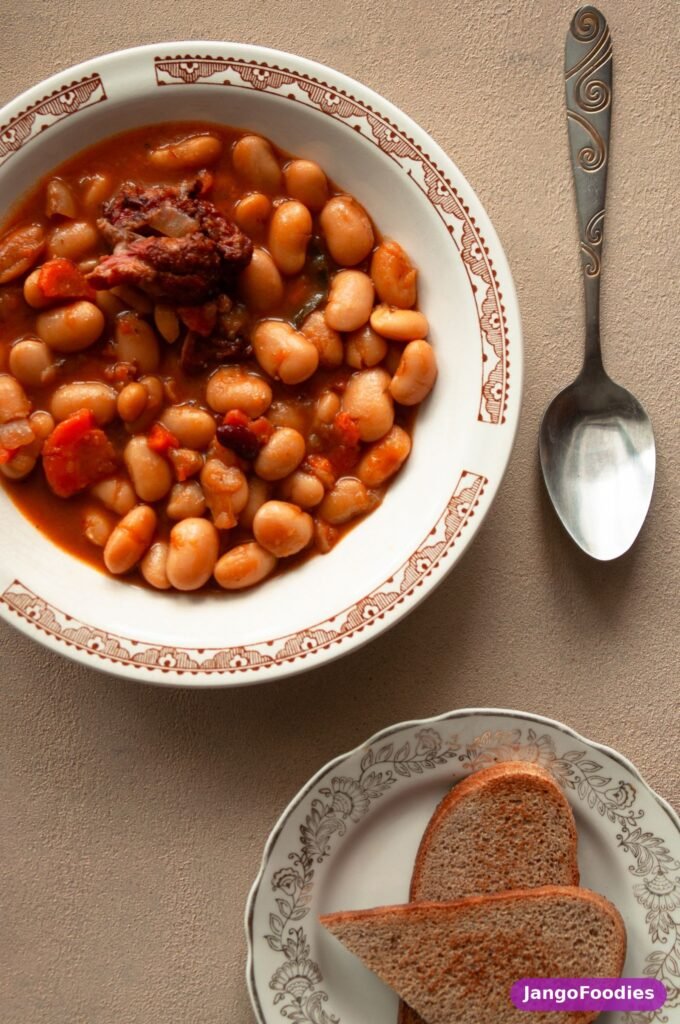
As a main course, the simplest serving is in a warm bowl with a thick slice of crusty bread on the side. The bread is for mopping up the sauce, and it is not optional — the sauce is the best part of the dish, and leaving it in the bowl would be a waste. A simple green salad with a sharp vinaigrette on the side gives you something fresh and crisp to balance the richness, and a glass of red wine is the natural partner if it is that kind of evening.
As a topping, this skillet is wonderful spooned over creamy polenta or mashed potatoes. The soft, buttery base soaks up the sauce, and the combination of creamy polenta, rich sausage, and tender beans is deeply comforting. It is the kind of meal that makes a cold evening feel warm, and it is substantial enough to feed hungry people without any extra effort. A spoonful of gremolata — chopped parsley, garlic, and lemon zest — scattered over the top adds brightness and colour.
As a brunch dish, this skillet is surprisingly good. Serve it with a fried or poached egg on top of each portion — the runny yolk mixes into the sauce and makes it even richer — and a slice of toasted sourdough. It is a hearty, satisfying brunch that is far more interesting than the usual eggs and toast, and it is a great way to use up leftovers from the night before.
For a crowd, this dish scales up beautifully. Double everything, use a large Dutch oven instead of a skillet, and serve it family-style in the middle of the table with a basket of bread and a big salad. It is the kind of food that makes people feel looked after, and it is easy enough that you can cook it while talking to your guests instead of hiding in the kitchen. A pot of something like this, set down in the middle of a table full of people, is one of the simplest pleasures of cooking.
Storage and Reheating
This dish keeps exceptionally well, and it actually tastes better the next day, once the flavours have had time to meld. Let it cool completely, then store it in an airtight container in the fridge for up to four days. The sauce will thicken as it sits, and the beans will absorb more flavour — when you reheat it, you may need to add a splash of stock or water to loosen it back up. If you have leftover greens in the dish, they will soften further on reheating, but they will still taste good.
To reheat, the stovetop is the best option. Put the skillet contents in a pan over medium-low heat with a splash of stock or water, cover, and heat gently for 5 to 6 minutes, stirring occasionally, until heated through. The microwave works too: cover the bowl loosely, heat in one-minute bursts, and stir between each burst. Avoid reheating the dish more than once, as the beans will start to break down and the sausage will dry out.
This dish also freezes well, which makes it a great option for meal prep. Let it cool completely, then portion it into freezer containers and freeze for up to three months. Thaw overnight in the fridge and reheat gently on the stovetop with a splash of stock. The kale will be softer after freezing, but the flavour will be just as good. If you are planning to freeze a batch, consider leaving the greens out and adding fresh greens when you reheat it — that way the texture stays bright and fresh.
Frequently Asked Questions
Can I use dried beans instead of tinned beans?
Yes, but you need to cook them first. Dried cannellini beans need to be soaked overnight and then simmered for about an hour until tender, and that is a separate job before you start this recipe. Once they are cooked and drained, use them exactly the same way as tinned beans — you will need about three cups of cooked beans to replace two tins. The advantage of dried beans is that they are cheaper and you can control the salt and texture, but for a thirty-minute weeknight dinner, tinned beans are the practical choice, and there is no shame in using them. Just rinse them well before adding them to the pan.
What is the best sausage for this recipe?
Italian sausage is my first choice, because the fennel and garlic in the seasoning are a natural match for the tomatoes and beans. Sweet Italian sausage gives you a mellow, savoury flavour, while hot Italian sausage adds a pleasant warmth. Kielbasa is a good second choice — it is smoky and mild, and it slices into neat rounds that brown beautifully. Chorizo is wonderful if you like a smokier, spicier dish. What matters most is that you buy a good-quality sausage with a high meat content and real seasoning, rather than a cheap sausage full of filler. The sausage is doing most of the flavour work here, so it is worth spending a little more on it.
Can I make this in a slow cooker?
You can, though you will lose some of the browning that makes the stovetop version so good. Brown the sausage and cook the onion and garlic in a skillet first, then transfer everything to the slow cooker with the tomatoes, stock, and beans, and cook on low for 4 to 5 hours or on high for 2 to 3 hours. Stir in the greens and Parmesan in the last fifteen minutes. The slow cooker version is convenient if you want dinner ready when you get home, but the sauce will be thinner and the sausage will not have the same caramelised edges. For the best flavour, the stovetop version is worth the thirty minutes.
How do I stop the beans from breaking apart?
The main cause of broken beans is rough stirring and overcooking. Canned beans are already fully cooked, so they only need to be heated through and allowed to absorb some sauce — twelve to fifteen minutes of gentle simmering is plenty. Stir gently with a wooden spoon, and avoid vigorous stirring that crushes the beans against the side of the pan. A few broken beans are actually a good thing, because they thicken the sauce naturally, but if you want the beans to stay mostly whole, be gentle and do not overcook them. Butter beans are sturdier than cannellini and hold up better if you are worried about it.
Is this recipe gluten-free?
Yes, as written, this recipe is naturally gluten-free — the sausage, beans, tomatoes, and greens contain no gluten. The one thing to check is the sausage itself, because some cheaper sausages use wheat-based fillers or rusk as a binder. Read the label and choose a sausage that is labelled gluten-free, or ask at the butcher counter. The stock should also be checked, as some stock cubes and powders contain gluten, though most are fine. Serve it with gluten-free bread or over polenta instead of crusty bread, and the whole meal is safe for anyone avoiding gluten.
Can I add pasta to this skillet?
Yes, and it is a lovely variation that turns the dish into a complete one-pan pasta meal. Add eight ounces of short pasta — penne, rigatoni, or orecchiette work well — to the pan with the tomatoes and stock, and add an extra cup of stock to give the pasta enough liquid to cook. Cover and simmer for 12 to 15 minutes, stirring occasionally, until the pasta is tender, then stir in the greens and Parmesan as usual. The pasta absorbs the sauce and the sausage flavour as it cooks, and the starch from the pasta thickens the sauce beautifully. It is a wonderful way to stretch the dish to feed more people, and it means you do not need bread on the side. If you like one-pan pasta, our one pan creamy pesto chicken pasta uses the same cook-everything-together method and is another family favourite.