
One-Pan Creamy Pesto Chicken Pasta
There is a particular kind of weeknight magic that happens when a jar of pesto meets a hot pan of chicken and pasta, and this one-pan creamy pesto chicken pasta is the proof. It takes about thirty-five minutes from start to finish, it uses a single skillet, and it tastes like the sort of pasta you would order at a small Italian restaurant — rich, garlicky, fragrant with basil, with sun-dried tomatoes adding little bursts of sweetness all the way through. It is the dinner I make when I want something that feels a bit special without actually doing anything complicated.
I discovered how good pesto pasta could be on a holiday years ago, in a tiny café where the cook tossed fresh pasta with pesto she had made that morning, and I have been chasing that flavour ever since. The homemade pesto was wonderful, but honestly, a good jar of shop-bought pesto gets you most of the way there on a Tuesday night, and that is what this recipe is built around. The trick is not the pesto itself but what you do with it: cooking the pasta right in the pan with the chicken and stock, so the starch from the pasta thickens the sauce and every strand comes out coated in creamy, basil-flecked goodness.
The first time I made this for my family, my daughter — who usually picks the chicken out of pasta dishes and eats it separately — ate the whole bowl without a word, then asked if there was more. That is the highest praise a recipe can get in our house. Since then it has become one of our most repeated dinners, the one I turn to when friends drop by unexpectedly or when I have had a long day and still want to put something genuinely good on the table.
What I love most about it is how forgiving it is. The sauce comes together from cream cheese and a splash of cream, so it never splits or turns grainy the way some cream sauces can. The sun-dried tomatoes and a handful of spinach are optional but highly recommended, and the whole thing is flexible enough to work with whatever pasta shape you have in the cupboard. If you have a jar of pesto, a couple of chicken breasts, and a box of penne, you are already most of the way to dinner. Let me show you how it comes together.
Why You’ll Love This Recipe
The biggest reason to love this recipe is the one-pan method. Instead of boiling pasta in a separate pot, draining it, and then making a sauce, everything cooks together in one skillet. The pasta absorbs the seasoned stock as it cooks, which means it tastes like something on its own, and the starch it releases thickens the sauce naturally. You end up with a glossy, clinging sauce that coats every piece of pasta, and you only have one pan to wash at the end. It is a small change in method that makes a huge difference in both flavour and cleanup.
The flavour is the second reason, and it is the one that will bring you back to this recipe. Basil pesto brings a fresh, garlicky, herby brightness, the cream cheese and cream round it out into something silky and comforting, and the sun-dried tomatoes add a sweet, tangy contrast that keeps the dish from feeling too rich. A generous handful of parmesan stirred in at the end gives it a salty, savoury depth, and a squeeze of lemon right before serving lifts the whole thing. It is balanced in a way that rich pasta dishes often are not.
This is also a genuinely fast dinner. From the moment you start chopping to the moment you sit down, you are looking at about thirty-five minutes, and most of that is hands-off simmering time while the pasta cooks. That makes it perfect for busy weeknights, but it is also impressive enough for a casual dinner with friends — just double the recipe, use your biggest pan, and serve it straight from the skillet at the table with a green salad and some crusty bread.
Finally, it is endlessly adaptable. You can swap the chicken for prawns, leave it out entirely for a vegetarian version, stir in whatever vegetables need using up, or change the pasta shape to whatever is in the cupboard. The base method stays the same, so once you have made it once, you will be able to make it from memory — and that is the mark of a true weeknight staple.
Ingredients You’ll Need
- 500 g (about 1 lb) boneless, skinless chicken breast, cut into bite-size pieces
- 1 tablespoon olive oil
- 1 tablespoon butter
- 1 medium onion, finely diced
- 3 garlic cloves, minced
- 1 teaspoon Italian seasoning
- 1/2 teaspoon chilli flakes, plus more to taste
- 1 teaspoon fine sea salt, plus more to taste
- 1/2 teaspoon black pepper
- 300 g (about 10 oz) penne pasta
- 2 1/2 cups low-sodium chicken stock
- 1/2 cup basil pesto, from a jar or homemade
- 120 g (about 4 oz) cream cheese, cut into cubes
- 1/2 cup double cream
- 1/2 cup sun-dried tomatoes in oil, drained and sliced
- 2 large handfuls baby spinach
- 1/2 cup freshly grated parmesan, plus extra to serve
- Juice of 1/2 lemon
- Fresh basil leaves, to serve
How to Make One-Pan Creamy Pesto Chicken Pasta
Before anything gets hot, take a few minutes to prepare your ingredients, because this recipe moves quickly once the pan is on the heat. Cut the chicken into even, bite-size pieces — about two centimetres across — so they cook at the same rate. Dice the onion, mince the garlic, slice the sun-dried tomatoes, and cube the cream cheese so it melts smoothly into the sauce later. Having everything within reach makes the whole process calm and easy, which is exactly how weeknight cooking should feel.
Heat the olive oil and butter together in a large, deep skillet over medium-high heat. When the butter has melted and the pan is hot, add the chicken pieces in a single layer. Let them cook undisturbed for three to four minutes until golden underneath, then stir and cook for another three minutes until they are browned on most sides and cooked through. Season with half the salt and pepper as they cook. Transfer the chicken to a plate and set it aside — it will go back into the pan later, and it is important not to overcook it now, because it will spend a few more minutes in the hot sauce at the end.
Turn the heat down to medium and add the onion to the same pan, scraping up the browned bits left behind by the chicken. Cook for three to four minutes until the onion softens and turns translucent, then add the garlic, Italian seasoning, and chilli flakes. Cook for thirty seconds, stirring constantly, until the garlic smells fragrant and the spices warm through. Pour in a splash of the chicken stock and scrape the bottom of the pan well — those browned bits are pure flavour, and dissolving them into the sauce is one of the secrets of a good one-pan pasta.
Now pour in the rest of the stock and add the penne, the remaining salt and pepper, and the sun-dried tomatoes. Stir well so the pasta is mostly submerged, bring the liquid to a gentle boil, then turn the heat down to medium-low, put the lid on, and simmer for twelve to fourteen minutes. Stir once or twice during cooking, scraping the bottom of the pan to stop the pasta from sticking, and check the pasta a minute or two before the time is up — you want it just tender with a little bite, because it will keep cooking in the sauce. If the pan looks dry before the pasta is ready, add a splash of hot water or stock; if there is too much liquid left, take the lid off for the last couple of minutes and let it reduce.
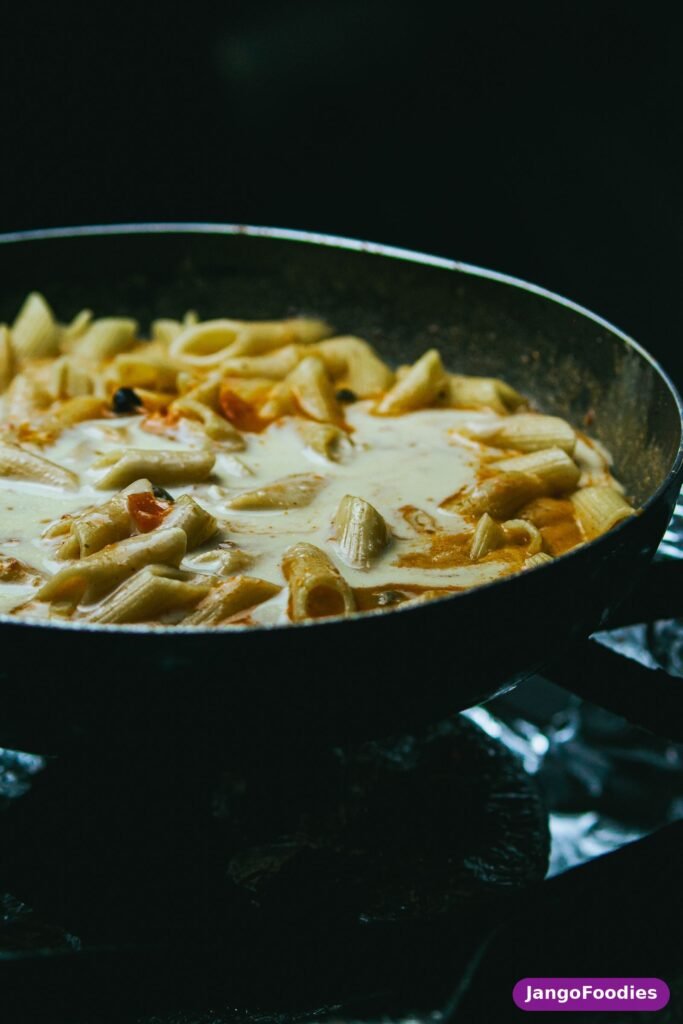
Once the pasta is cooked, turn the heat down to low and stir in the pesto, the cream cheese cubes, and the double cream. Stir gently for two to three minutes until the cream cheese has melted completely and the sauce turns smooth, glossy, and pale green. The sauce will look a little thin at first and then thicken as the pasta starch does its work — be patient and keep stirring gently. Return the chicken to the pan along with any juices from the plate, and fold in the spinach a handful at a time, letting each handful wilt before adding the next. Stir in the parmesan and the lemon juice, taste, and adjust the salt and chilli flakes to your liking. Serve immediately, straight from the pan, with extra parmesan and torn basil leaves scattered over the top. If you enjoy creamy chicken pasta without the heaviness of a full cream sauce, this easy chicken pasta without heavy cream is another weeknight favourite that uses a lighter, clever method to get the same silky result.
Tips for Perfect Pesto Chicken Pasta
The most important tip is to watch the pasta carefully during the simmer. Different brands of penne cook at slightly different rates, and pasta cooked in a pan with limited liquid goes from perfect to mushy faster than pasta boiled in a big pot of water. Start checking at twelve minutes, and take the pan off the heat when the pasta is just tender with a slight bite in the centre — it will soften a little more as it sits in the hot sauce, so slightly underdone is better than slightly overdone.
Use a good-quality pesto, because it is the main flavour of the dish. A jarred pesto with a short ingredient list — basil, pine nuts, parmesan, garlic, olive oil — will always taste better than one padded out with cheaper oils and fillers. If you have a few extra minutes, homemade pesto is wonderful here, but do not feel you need to make it from scratch to get a great result. Taste your pesto before you add it; some jarred pestos are very salty, in which case you should hold back on the salt in the pasta water and season at the end.
Keep the heat low when you add the cream cheese and cream. High heat can make a cream sauce split or turn grainy, and there is no coming back from that. Low heat, gentle stirring, and a little patience will give you a smooth, glossy sauce every time. If the sauce ever looks too thick, loosen it with a splash of stock or a little of the pasta cooking liquid; if it looks too thin, let it simmer gently for another minute or two and it will tighten up.
Do not skip the lemon juice at the end. It sounds like a small thing, but that little bit of acidity cuts through the richness of the cream and pesto and makes the whole dish taste brighter and more balanced. The same goes for the parmesan — freshly grated melts into the sauce far better than the pre-grated kind, which often contains anti-caking agents that can make a sauce slightly gritty. A block of parmesan and a grater are worth the tiny bit of extra effort.
Finally, serve it straight away. One-pan pasta is at its best the moment it comes off the heat, when the sauce is glossy and the pasta is perfectly tender. If it sits for too long, the pasta keeps absorbing the sauce and the dish tightens up. If that happens, a splash of warm stock or milk stirred through will bring it back to life, but fresh from the pan is always best.
Variations to Try
For a vegetarian version, leave out the chicken and add a tin of chickpeas or cannellini beans with the pasta, plus a handful of toasted pine nuts at the end for crunch. The cooking method stays exactly the same, and the dish is just as hearty. Mushrooms are another wonderful addition — slice them and cook them with the onion until golden before adding the stock, and they bring a lovely earthy depth that works beautifully with pesto.
Swap the pasta shape to suit your cupboard: fusilli, farfalle, rigatoni, or orecchiette all work well, because their shapes catch the sauce nicely. Avoid very thin shapes like spaghetti or angel hair, which cook too quickly in the pan and can turn mushy before the sauce has come together. If you do use a longer pasta, break it in half first so it fits comfortably in the pan and stirs easily.
Change the pesto for a different character entirely. Sun-dried tomato pesto gives the dish a deeper, sweeter flavour, while a rocket or kale pesto makes it peppery and a little more grown-up. A spoonful of red pesto stirred in alongside the green pesto is a lovely combination too. You can also stir in a handful of halved cherry tomatoes with the spinach — they soften slightly in the heat and add juicy pops of freshness.
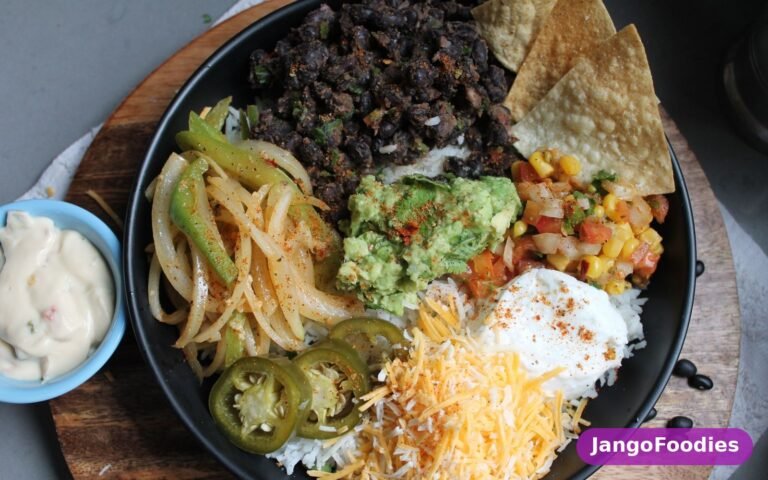
For a lighter version, use half-fat cream cheese and swap the double cream for single cream or even a splash of milk, and add an extra handful of spinach. The sauce will be a little thinner but still delicious. And if you want to make it a complete one-pan meal with more vegetables, stir in some frozen peas or sweetcorn with the pasta — they cook in the same time and add colour and sweetness. Fans of this style of cooking will also enjoy these one-pan chicken burrito bowls, which use the same cook-everything-together idea with a Mexican twist.
Serving Ideas
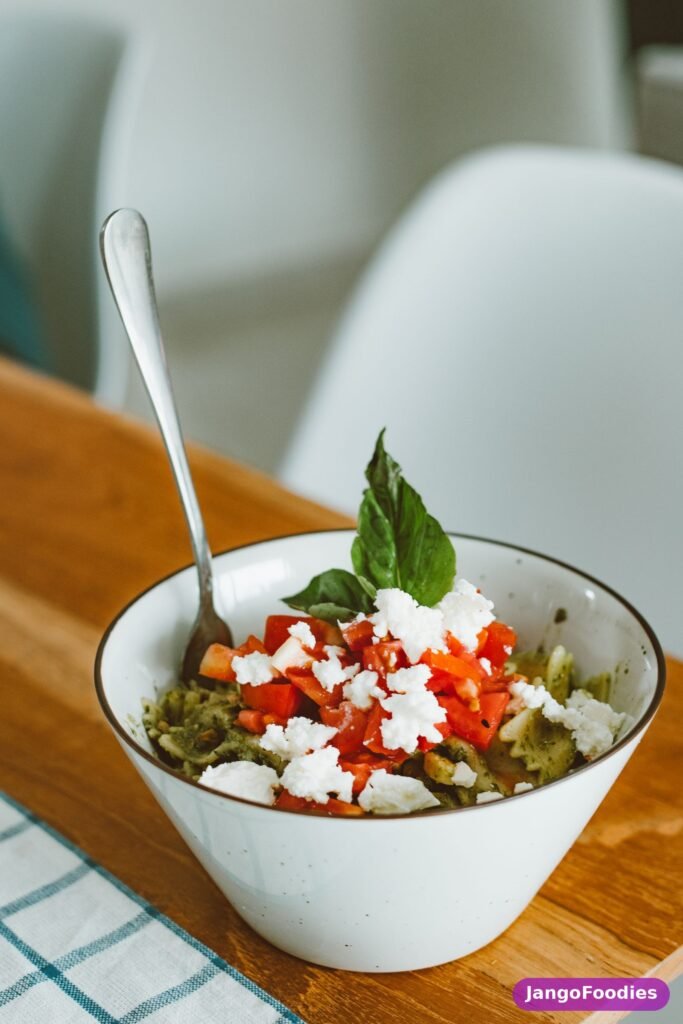
This pasta is a complete meal on its own, but a few simple sides turn it into a proper dinner. A crisp green salad with a lemony dressing is my first choice — the fresh, sharp flavours balance the richness of the pasta perfectly. Garlic bread or warm crusty bread is almost essential, for mopping up the sauce left in the bowl, and a glass of chilled white wine makes it feel like a Friday night treat even on a Tuesday.
For a dinner party, serve the pasta straight from the skillet in the middle of the table, with a big bowl of salad, a board of good bread, and a bowl of extra parmesan and chilli flakes for people to help themselves. It looks generous and relaxed, and it saves you from plating up individual portions while your guests wait. A simple starter of tomato bruschetta or a bowl of olives sets the tone nicely without adding much work.
If you are feeding children, serve their portions with the spinach picked out or the chilli flakes left off, and let them add their own parmesan — children love being in charge of the cheese. The leftovers also make a wonderful packed lunch, reheated gently with a splash of milk. For another creamy chicken pasta that the whole family will love, try this easy creamy chicken pasta without cream — it is lighter than it sounds and just as comforting.
Storage and Reheating
Store leftovers in an airtight container in the fridge for up to three days. Let the pasta cool to room temperature before refrigerating, and try to eat it within that window — cream-based pasta sauces do not keep as well as tomato-based ones, and the pasta will keep absorbing the sauce as it sits. Before storing, stir in a splash of milk or stock if the sauce looks tight, which will help it loosen up when you reheat it.
To reheat, warm the pasta gently in a pan over low heat with a splash of milk, cream, or stock, stirring often until it is piping hot throughout. The microwave works too: heat in short bursts of one minute, stirring between each, with a spoonful of milk added to keep the sauce smooth. Avoid reheating on high heat, which can cause the cream sauce to split. Only reheat each portion once, and make sure it is steaming hot all the way through before serving.
This dish is not ideal for freezing, because cream sauces tend to separate when thawed and the pasta goes soft. If you do freeze it, expect a slightly grainier sauce and softer pasta — still edible, but not at its best. A better plan is to halve the recipe if you are cooking for one or two, or to enjoy the leftovers for lunch the next day, when they are at their best. The BBC Good Food pesto chicken pasta recipe is a handy comparison if you want to see another take on the dish, and Taste of Home’s chicken pesto pasta shows how the same idea works with a slightly different method.
Frequently Asked Questions
Can I use jarred pesto for this recipe?
Yes, jarred pesto is exactly what this recipe is designed around, and a good-quality jar will give you a delicious result. Look for one with a short ingredient list — basil, pine nuts, parmesan, garlic, and olive oil — and taste it before cooking, because some brands are much saltier than others. If yours is very salty, reduce the salt in the pasta by half and season at the end. Homemade pesto is lovely if you have time, but it is absolutely not required.
What pasta shape works best?
Short, sturdy shapes work best: penne, fusilli, farfalle, rigatoni, and orecchiette all hold up well in the pan and catch the creamy sauce in their ridges and folds. Avoid thin, delicate shapes like spaghetti or angel hair, which cook too quickly and can go mushy before the sauce comes together. If you only have spaghetti, break it in half and check it a few minutes early, adding a splash more stock if the pan gets dry.
Can I make this without cream?
You can. The cream cheese is the main source of creaminess, so you can leave out the double cream and add an extra splash of stock instead — the sauce will be a little thinner but still silky. For a lighter version, use half-fat cream cheese and swap the cream for milk, adding it off the heat so it does not split. You can also stir in a spoonful of mascarpone instead of cream cheese for a slightly different, very smooth result.
Can I use chicken thighs instead of breast?
Yes, and they work very well. Cut boneless, skinless thighs into bite-size pieces and cook them the same way, giving them an extra minute or two in the pan since thighs take slightly longer to cook through than breast. Thighs stay juicier in the sauce, so if you often find chicken breast dries out, thighs are a great choice here. Either way, check that the chicken is cooked through before you set it aside — it should be white all the way through with no pink remaining.
How do I stop the pasta from sticking to the pan?
Stir the pasta once or twice during the simmer, scraping the bottom of the pan each time, and make sure there is enough liquid in the pan — the pasta should be mostly submerged. A heavy-based, non-stick or well-seasoned skillet helps a lot, and keeping the heat at a gentle simmer rather than a rolling boil prevents the starch from scorching onto the bottom. If the pan does get dry before the pasta is cooked, add a splash of hot stock rather than cold water, which keeps the temperature steady.
Can I add more vegetables to this dish?
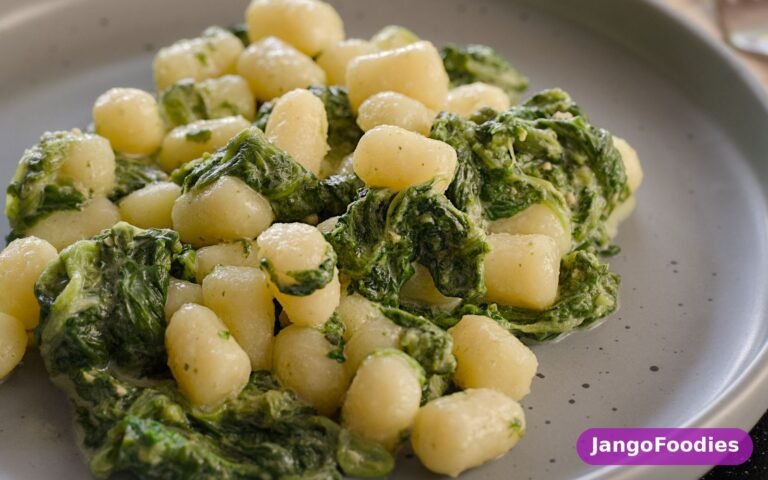
Absolutely. Frozen peas or sweetcorn can go in with the pasta and will cook in the same time. Sliced mushrooms are best cooked with the onion until golden. Halved cherry tomatoes can be stirred in with the spinach at the end, and a handful of roasted red peppers from a jar adds a lovely sweetness. Just avoid adding too many watery vegetables at once, which can thin the sauce — one or two additions is the sweet spot. For a similar one-pan idea with a different flavour profile, this one-pan Tuscan butter gnocchi is well worth trying next.