Honey Glazed Roasted Parsnips
Parsnips are the vegetable I reach for when I want a side dish that feels a little bit special without any extra effort. They look plain enough in the shop, pale and a little knobbly, easy to walk straight past, but once they have spent time in a hot oven with oil, salt, and honey, they turn into something else entirely. The edges go crisp and golden, the middles turn soft and sweet, and the honey catches at the corners and turns sticky and caramelised. It is the kind of dish that makes people ask what it is, and then go back for seconds.
I first learned to love parsnips at a family roast dinner, where they sat on the table next to the potatoes and, to my surprise, disappeared first. I had always thought of them as a background vegetable, something you put in soup and forgot about, but roasted properly they have a flavour all of their own, earthy and sweet at the same time, with a gentle nuttiness that potatoes do not have. Since then I have roasted them dozens of times, for Sunday dinners, for Christmas, for quiet weeknight meals when I wanted something warm and comforting on the plate, and they have never let me down.
The trick with parsnips is to treat them simply and to give them space. They need a hot oven, a good amount of oil, and a tray that is not crowded, so the hot air can get around each piece and crisp the edges instead of steaming them soft. The honey goes on near the end, not at the start, because honey burns easily, and burnt honey tastes bitter, which is the opposite of what you want. A little thyme, a pinch of salt, and a good roast, and you have a side dish that tastes like you spent far longer on it than you did. If you want more ideas for the same kind of cooking, BBC Good Food’s roasted vegetable recipes are a good place to look for inspiration.
This recipe is for anyone who has a bag of parsnips and is not quite sure what to do with them, or for anyone who already loves them and wants a reliable, repeatable way to cook them. It takes about ten minutes of hands-on work and the oven does the rest, which means you can get on with the main dish while the parsnips roast away. They go with roast chicken, with pork, with a nut roast, or with nothing more than a fried egg and some good bread. They also sit happily next to crispy air fryer potatoes without flour, if you want two golden sides on the table. Once you have tried them this way, I think you will start buying parsnips on purpose, not just because they were in the vegetable box.
Why You’ll Love This Recipe
First, the flavour is wonderful in a way that is hard to describe until you have tasted it. Raw parsnips are mild and a little peppery, but roasting brings out their natural sugars, and the honey adds a warm, floral sweetness that sits on top of that earthy base. The result is sweet, but not sugary, and savoury at the same time, which is why they work so well next to roast meats and rich gravies. They add something to the plate that potatoes alone cannot.
Second, they are incredibly easy. You peel them, cut them into even pieces, toss them in oil and seasoning, and roast them. That is most of the work. There is no blanching, no parboiling unless you want to, no complicated sauce, and no last-minute fuss. The honey glaze is just honey, a little butter, and a pinch of salt, stirred together and brushed on near the end. If you can turn on an oven, you can make this dish, and it will look and taste like you tried much harder than you did.
Third, they are flexible. Parsnips roast well on their own, but they also roast beautifully alongside carrots, potatoes, and other root vegetables, so you can turn this into a mixed roast vegetable tray with almost no extra work. They suit a festive table just as well as a Tuesday supper, and they reheat well, which means leftovers are not a problem. On a busy night, air fryer potato wedges without oil are another easy, golden side that cooks while the parsnips roast. I have even eaten cold leftover parsnips straight from the fridge, standing at the kitchen counter, and they were still good, which tells you everything you need to know.
Finally, they are good value and easy to find. Parsnips are cheap, they keep well in the fridge for a week or more, and they are in season through the colder months, when you most want warm, roasted food. They are also a good source of fibre and vitamin C, which is a nice bonus, though I would be lying if I said that was why I cook them. I cook them because they taste good, and because they make a plain dinner feel like a proper meal.
Ingredients You’ll Need
You need very little for this dish, and that is part of its charm. Good parsnips, a little oil, honey, and seasoning are the essentials. The thyme is optional but lovely, and the butter in the glaze helps the honey coat the parsnips evenly. Choose parsnips that feel firm and heavy for their size, with smooth, pale skin, and avoid any that feel soft or have dark spots.
- 1 kg parsnips (about 2.2 lb), peeled
- 3 tablespoons olive oil, or vegetable oil
- 1 teaspoon fine sea salt
- 1/2 teaspoon black pepper, freshly ground
- 2 tablespoons honey, runny
- 1 tablespoon unsalted butter, melted
- 1 teaspoon fresh thyme leaves, or 1/2 teaspoon dried thyme
- 1 tablespoon lemon juice, freshly squeezed, optional but lovely
- 1 teaspoon wholegrain mustard, optional, for a gentle tang
A note on size: parsnips vary a lot, and the thick end of a large parsnip can be woody in the middle. If your parsnips are very thick, cut out the woody core from the fat end before roasting, because it stays tough even after a long roast. Smaller, slimmer parsnips are sweeter and more tender, so choose those when you can, and cut everything to roughly the same size so it cooks evenly. Uneven pieces are the main reason some parsnips burn while others stay hard.
How to Make Honey Glazed Roasted Parsnips
Heat your oven to 200°C (400°F) and put a large, sturdy baking tray in the oven to heat up at the same time. A hot tray is one of the best tricks for roasted vegetables, because the parsnips start sizzling the moment they touch the metal, and that first contact is what gives them crisp edges. While the oven and tray heat, peel the parsnips and cut them into even batons, about as thick as your thumb and roughly the same length. If the parsnips are long, cut them in half across the middle first, then cut each half lengthways into two or four pieces, depending on how thick they are. Try to keep the pieces similar in size, even if they are not identical, because even cooking matters more than perfect shapes.
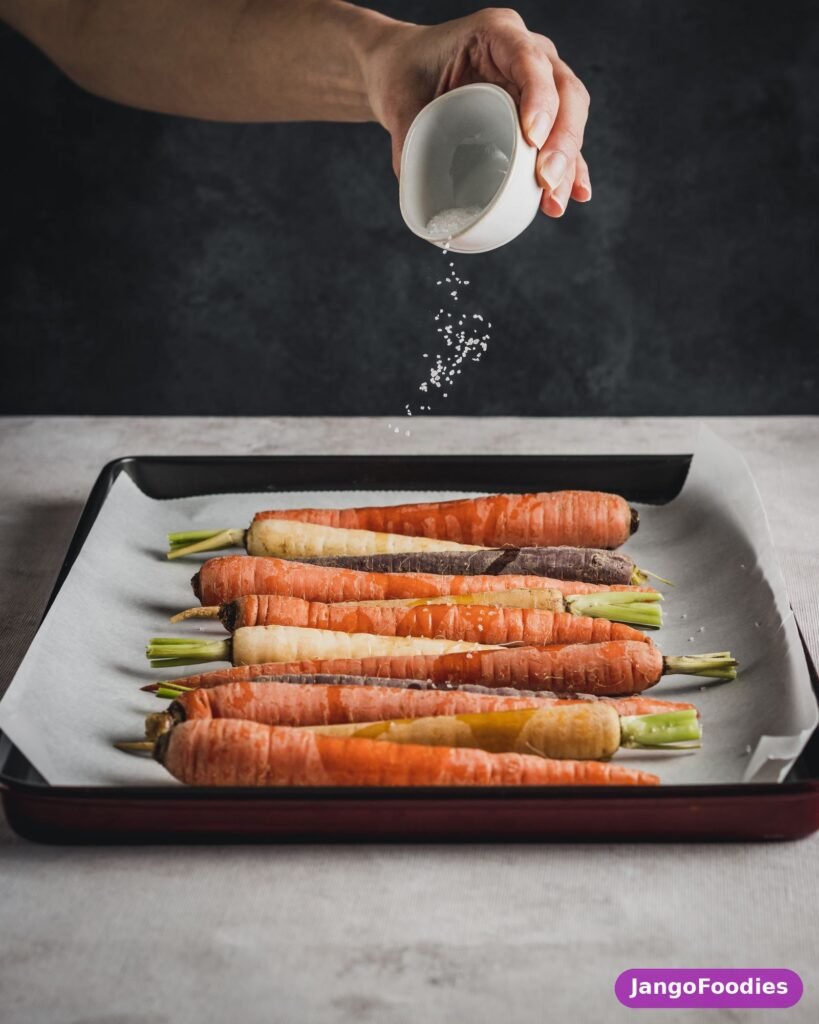
Put the cut parsnips in a large bowl and toss them with the olive oil, salt, and pepper until every piece is lightly coated. You want enough oil to gloss the surface, but not so much that it pools in the bowl. If you are using dried thyme, add it now, so it has time to flavour the oil. Fresh thyme leaves are better added later, because they can burn in a hot oven, but a few sprigs tucked among the parsnips will survive and smell wonderful. Take the hot tray out of the oven, carefully, with oven gloves, and tip the parsnips onto it in a single layer, spreading them out so they are not touching each other. Crowding is the enemy here, because parsnips that are piled up will steam instead of roast, and you will get soft, pale pieces instead of golden, crisp ones. If your tray is small, use two trays rather than squeezing everything onto one.
Roast the parsnips for 20 minutes, then take the tray out and turn each piece over with tongs or a spatula. This is the moment to check how they are doing. The undersides should be starting to turn golden, and the edges should be firming up. If some pieces are browning faster than others, move them to a cooler part of the tray. Put the tray back in the oven for another 15 minutes, so the parsnips have had about 35 minutes in total. They should be tender when you poke them with a knife, and golden in places, but not yet finished, because the honey glaze still needs to go on.
While the parsnips are in their second roast, make the glaze. Warm the honey and melted butter together in a small bowl or jug, just until they are runny and easy to stir. A few seconds in the microwave is enough, or a minute over a very low heat. Stir in the lemon juice and the mustard, if you are using them, and a pinch of salt. The lemon might seem odd in a honey glaze, but it stops the sweetness from feeling flat, and it brightens the whole dish. Taste the glaze and adjust it to your liking; a little more lemon if you want it fresher, a little more honey if your parsnips are less sweet than usual.
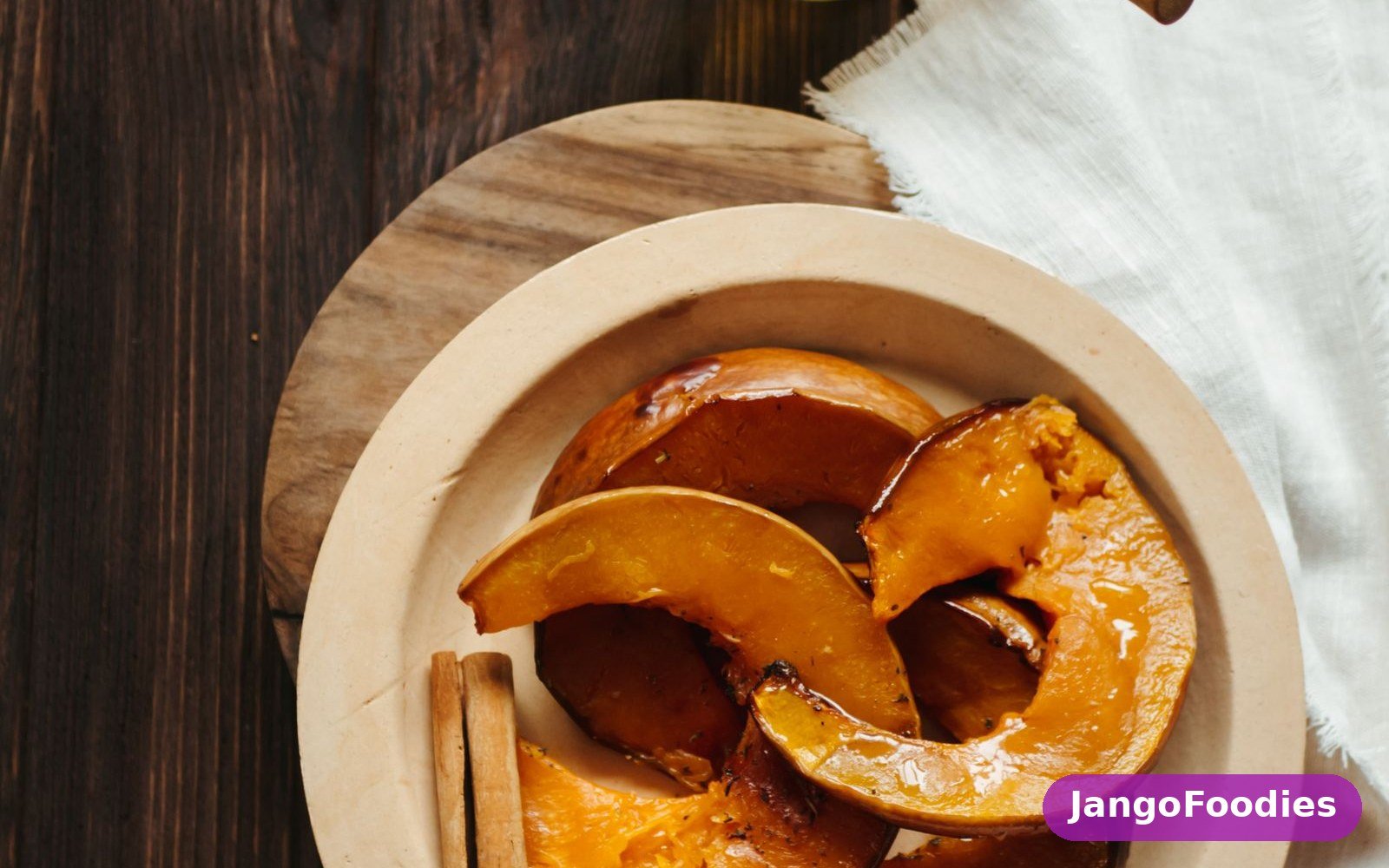
Take the tray out of the oven and drizzle or brush the honey glaze over the parsnips, turning them gently so every piece gets coated. Scatter over the fresh thyme leaves, if you are using them, and put the tray back in the oven for a final 10 to 12 minutes, until the parsnips are deeply golden, sticky at the edges, and completely tender in the middle. Watch them closely in these last few minutes, because honey goes from caramelised to burnt quite quickly, and you want sticky and golden, not dark and bitter. The parsnips are done when they look glossy, smell sweet and toasty, and a knife slides in easily with no resistance at all.
Let the parsnips rest on the tray for a few minutes before serving, so the glaze sets slightly and stops being runny. Transfer them to a warm serving dish, scraping up any sticky, caramelised bits from the tray, because those are the best parts, and serve them straight away while they are still warm and crisp at the edges. If you want to see how another kitchen handles the same idea, BBC Good Food’s honey roasted parsnips uses a similar honey glaze and the same high-heat roasting method, which is reassuring when you are trying a vegetable for the first time. The details vary, but the principle is the same, and once you have roasted parsnips this way, you will trust the method.
Tips for Perfect Honey Glazed Roasted Parsnips
Cut the parsnips evenly, because this is the single most important step. If some pieces are thick and some are thin, the thin ones will burn before the thick ones are tender. Aim for batons about the thickness of your thumb, and cut the fat end of large parsnips into more pieces than the thin end, so everything ends up roughly the same size. It takes an extra minute, but it makes a real difference to the result.
Do not add the honey at the start. Honey contains sugars that burn at high temperatures, and if you put it on at the beginning, it will darken and turn bitter long before the parsnips are cooked through. Adding it in the last ten minutes gives you all the sweetness and stickiness without the risk of burning, and it lets the parsnips roast properly first, so they are tender inside and crisp outside before the glaze goes on.
Use a large tray and give the parsnips space. This is the rule for all roasted vegetables, but it matters especially for parsnips, because they release a little moisture as they cook, and if they are crowded together, that moisture turns to steam and stops them crisping. A single layer, with a little gap between each piece, is what you want. If you are doubling the recipe, use two trays and swap their positions halfway through, so both trays get time in the hotter part of the oven.
Preheat the tray, not just the oven. Putting cold parsnips onto a cold tray means they heat up slowly and start to steam before they start to roast. A hot tray gives them a sizzle from the first second, which helps the edges crisp up. Just be careful when you take the tray out, use proper oven gloves, and tip the parsnips on quickly so the tray does not cool down too much while the door is open.
Taste and adjust the glaze before it goes on. Parsnips vary in sweetness depending on the season and how fresh they are, so a glaze that was perfect last time might need a little more lemon or a little less honey this time. A squeeze of lemon juice makes a surprising difference, and a pinch of salt in the glaze stops it from tasting one-dimensional. Trust your own palate here, because you are the one who will be eating them.
Variations to Try
For a spiced version, add half a teaspoon of ground cumin and a pinch of smoked paprika to the oil before roasting, and finish with a drizzle of honey and a scattering of toasted sesame seeds. The warmth of the spices suits the sweetness of the parsnips, and the sesame adds a little crunch. This version is lovely with roast pork or with a Middle Eastern style meal, and it is a nice change if you make parsnips often.
For a maple version, swap the honey for the same amount of maple syrup and add a tablespoon of wholegrain mustard to the glaze. Maple has a deeper, more caramel-like sweetness than honey, and it works beautifully with the earthy flavour of the parsnips. This is a good option if you are cooking for someone who does not eat honey, and it is also lovely at Christmas, when maple feels festive.
For a mixed root vegetable tray, add carrots, sweet potatoes, and chunks of celeriac to the tray alongside the parsnips, cutting everything to a similar size and roasting it all the same way. The honey glaze works on all of them, and the different colours look wonderful on the table. You may need to use two trays, and the sweet potatoes will cook a little faster, so check them early and take them out if they are done before the parsnips.
For a herby version, skip the honey altogether and toss the roasted parsnips with garlic butter, fresh rosemary, and a little lemon zest instead. This is the savoury cousin of the honey version, and it is perfect if you are serving a rich main course and do not want extra sweetness on the plate. I like to add a clove or two of crushed garlic to the oil for the last ten minutes of roasting, so it flavours the parsnips without burning, which garlic does very easily in a hot oven.
Serving Ideas
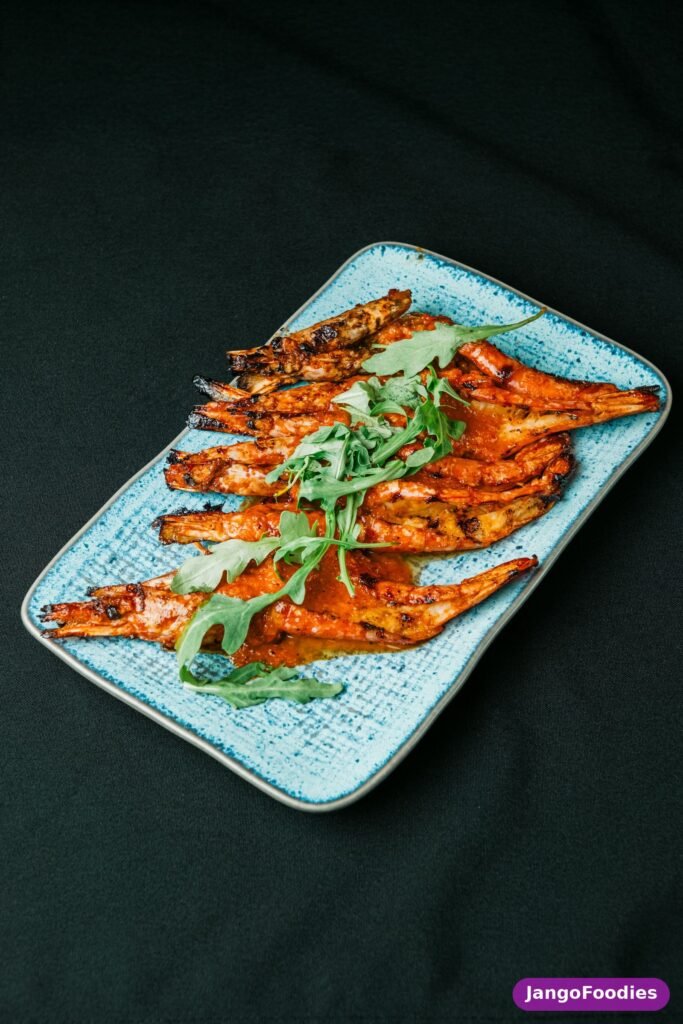
Serve these parsnips hot, straight from the tray, as part of a roast dinner. They are at their best with roast chicken, roast pork, or a nut roast, and they love a good gravy, though they do not need it. Put them in a warm serving dish, scatter over a little extra thyme, and let people help themselves, because they are the kind of side dish that disappears quickly, and it is nice to have plenty on the table.
For a simpler meal, serve them alongside a fried or poached egg, some good bread, and a green salad, and you have a light supper that still feels satisfying. For something heartier, one-pan sausage and white bean skillet makes a wonderful main course with these parsnips on the side. The sweetness of the parsnips works well with the richness of the egg, and the salad adds freshness. I have also served them with a simple cheese board, where their sweetness plays nicely against a sharp cheddar or a creamy blue cheese, and that combination is better than it sounds.
If you are planning a festive meal, parsnips are a natural fit, and they sit happily next to roast potatoes, sprouts, and stuffing. Make a double batch, because they are always the first vegetable to run out, and keep the tray warm in a low oven while you carve the meat. For another roast dinner favourite, chicken tikka masala with basmati rice makes a wonderful main course to serve with these parsnips, and the warm spices sit beautifully next to the honey glaze.
Storage and Reheating
Store leftover parsnips in an airtight container in the fridge for up to three days. They will soften a little as they sit, and the glaze will lose some of its crispness, but the flavour will still be lovely. I often eat them cold, straight from the container, but if you want them warm again, the oven is the best way to reheat them.
To reheat, spread the parsnips on a baking tray and warm them in a hot oven at 200°C (400°F) for eight to ten minutes, until they are hot through and the edges have crisped up again. The microwave will heat them, but it will also make them soft and a little soggy, so I only use it if I am in a real hurry. A hot oven brings back some of the texture that makes them so good in the first place.
Leftover parsnips are also wonderful mashed or blended into soup. Mash them with butter and a little cream for a sweet, smooth side dish, or add them to a pot of vegetable soup and blend until smooth, where they add sweetness and body. You can also chop them up and fry them with leftover roast potatoes for a quick bubble and squeak style hash. Nothing needs to go to waste, and parsnips are far too good to throw away.
Frequently Asked Questions
Do I need to peel parsnips before roasting?
Yes, I recommend peeling them, because the skin can be tough and a little bitter, especially on larger, older parsnips. Use a vegetable peeler and take off a thin layer, then trim the ends. Young, slim parsnips have thinner skin, and some people roast them unpeeled, but peeling gives a cleaner flavour and a better texture, and it only takes a couple of minutes, so I always do it.
Why are my roasted parsnips soft instead of crispy?
This is almost always because the tray was crowded, the oven was not hot enough, or there was too much moisture. Use a large tray, spread the parsnips in a single layer with space between them, and make sure your oven is fully preheated to 200°C (400°F) before the tray goes in. Preheating the tray helps too. If your parsnips are still soft, try roasting them for a few minutes longer, and do not cover the tray, because covering traps steam.
Can I parboil parsnips before roasting?
You can, and some people swear by it, because it helps the centres cook through before the edges burn. Boil the cut parsnips for three to four minutes, drain them well, let them steam dry for a few minutes, then toss them in oil and roast as usual. It is an extra step, and I usually skip it for slim parsnips, but for very thick parsnips it can help them cook evenly, so it is worth doing if your parsnips are large.
Can I make honey glazed parsnips ahead of time?
Yes, you can roast the parsnips without the glaze up to a day ahead, store them in the fridge, and then reheat them in a hot oven and add the honey glaze for the final ten minutes. This is a useful trick for a big meal, because it spreads the work out and means the parsnips are hot and sticky at serving time. Do not add the glaze ahead of time, because it will soak in and lose its shine.
Are parsnips the same as carrots?
No, though they are related and they look a little similar. Parsnips are paler, usually cream or white, and they have a sweeter, earthier, slightly nutty flavour, while carrots are sweeter in a different way and a little firmer. They cook in a similar time, which is why they roast well together, but they are not interchangeable in flavour, and a parsnip is worth trying on its own if you have only ever had carrots.
What can I use instead of honey?
Maple syrup is the best substitute, used in the same amount, and it gives a lovely deep sweetness. Golden syrup also works, though it is sweeter and less floral. Agave syrup is another option, but it is thinner, so use a little less. If you want a savoury version, skip the sweet glaze entirely and finish the parsnips with garlic butter and herbs instead, which is just as good in a different way.